Inspiration
We Have A Number Of Sources Of Solutions Thant Should Prove Inspirational For You.
Inspiration
We Have A Number Of Sources Of Solutions Thant Should Prove Inspirational For You.
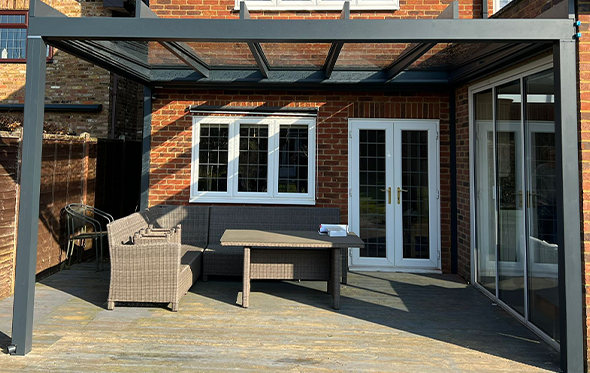
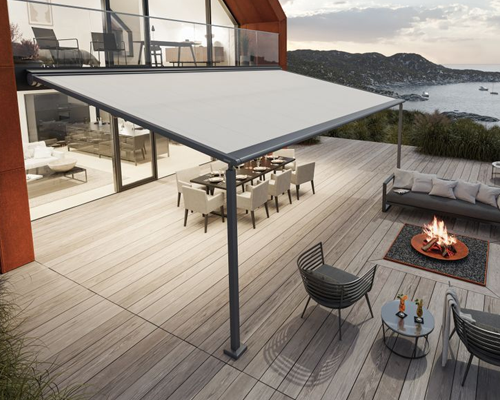
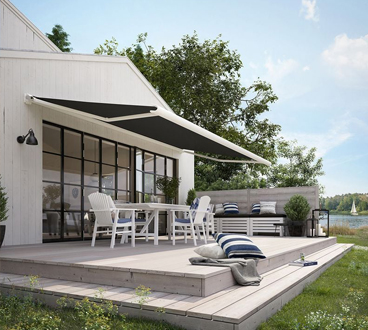
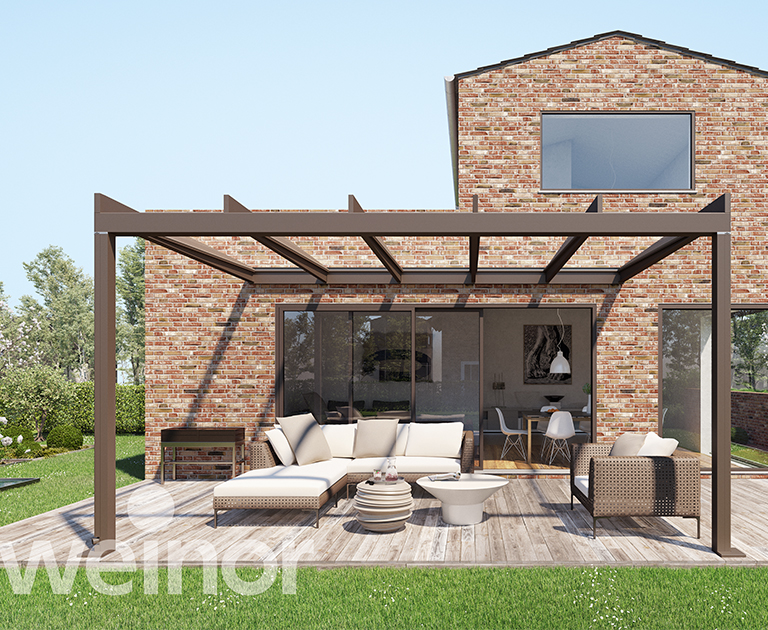
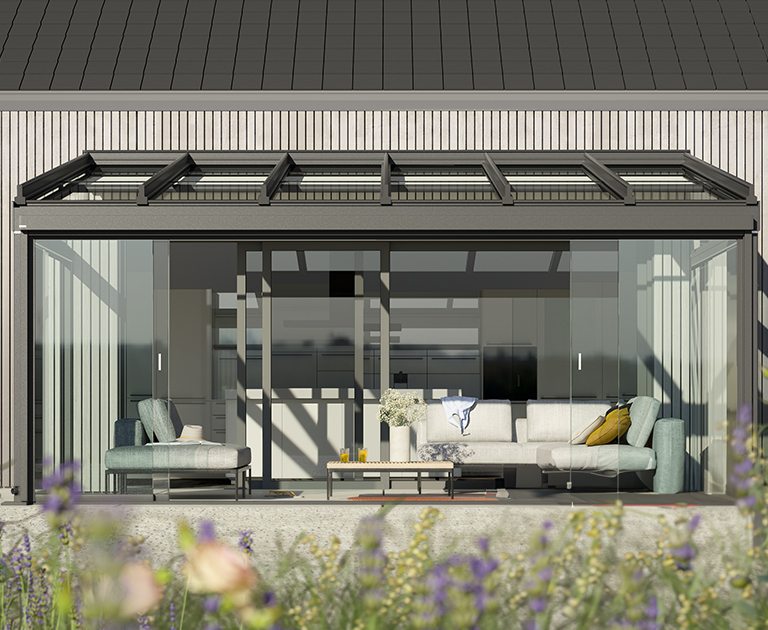
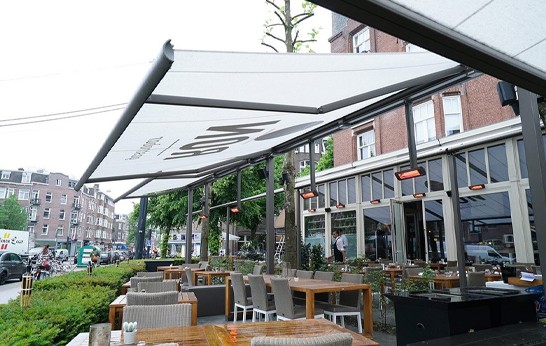
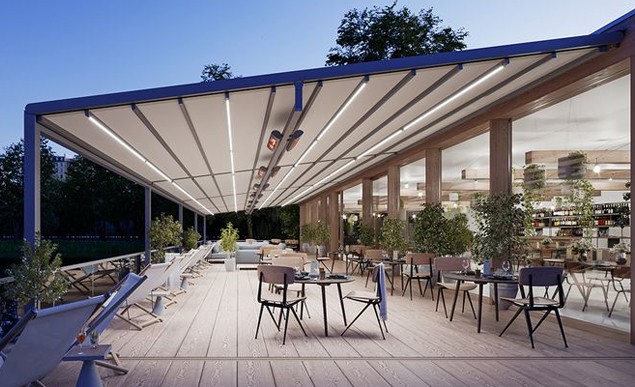
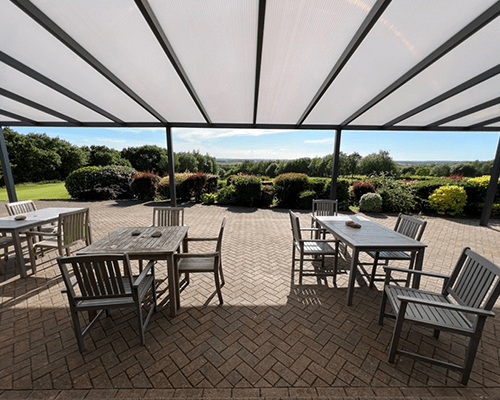
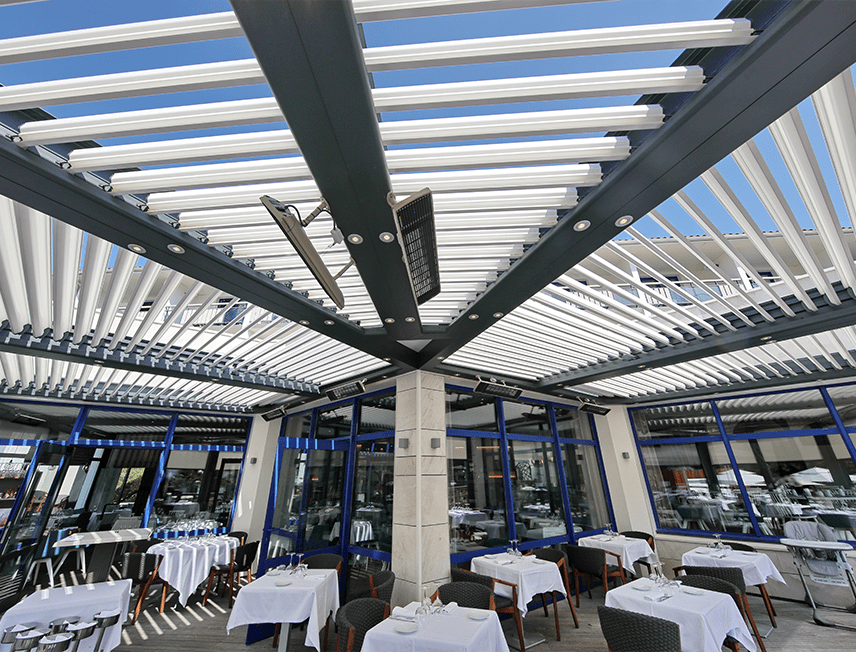
High quality standard and bespoke outdoor living products designed to create additional beautiful outdoor space protected from the often great, but extremely variable British weather.
By Product Type
Get In Touch
With Us Today
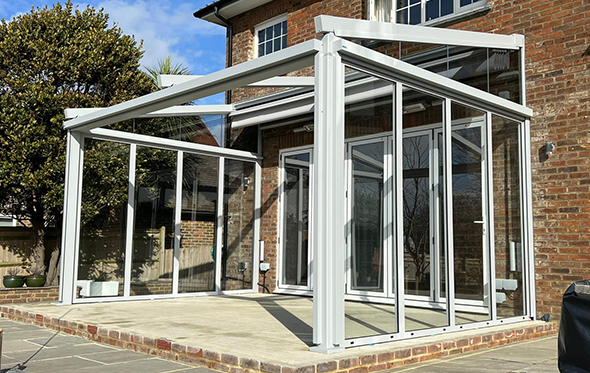
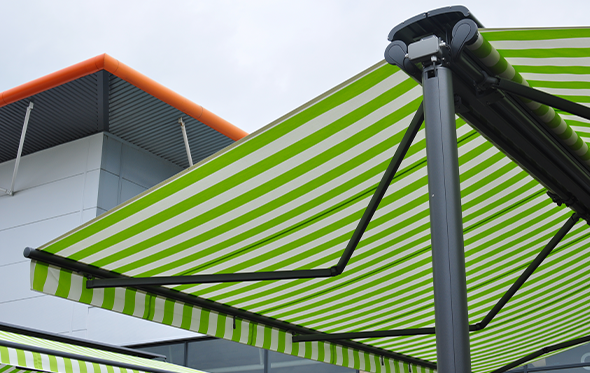
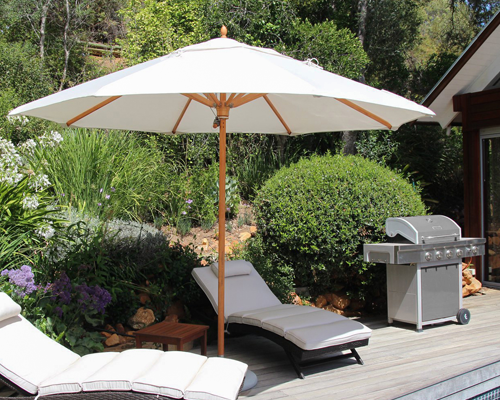
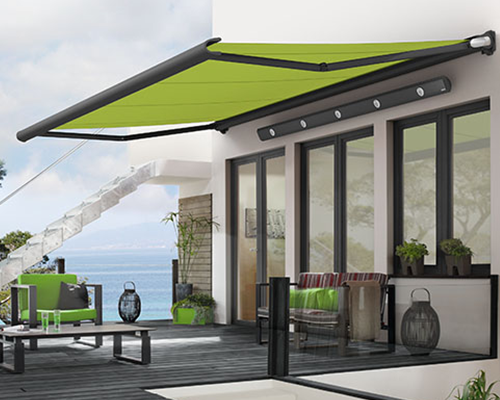
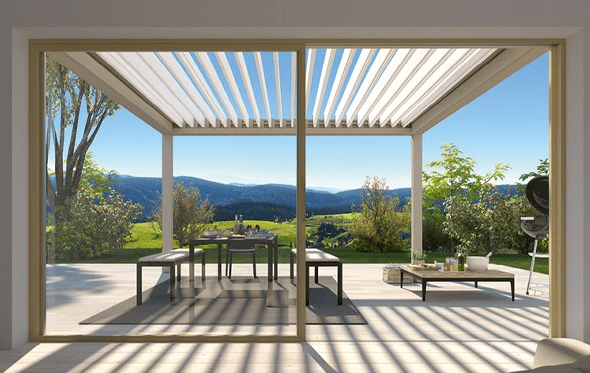
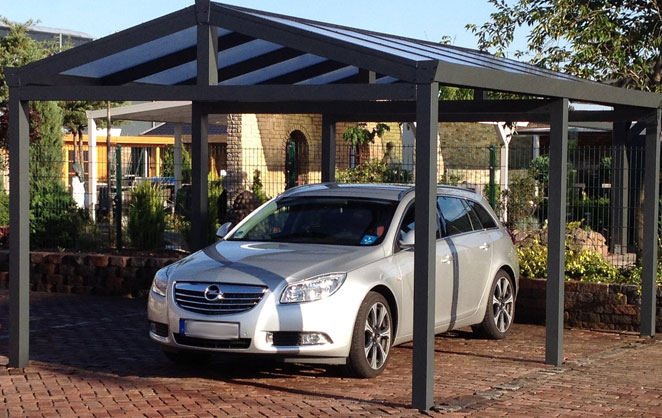
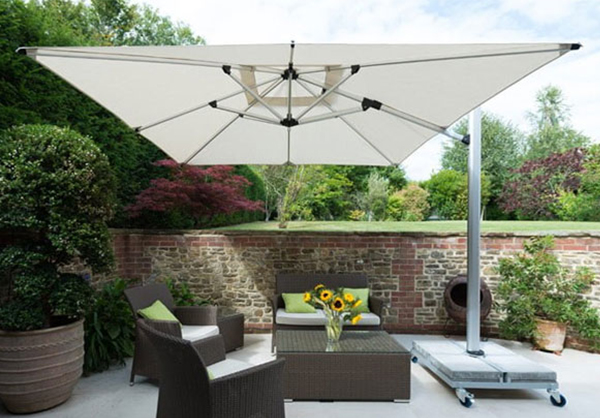
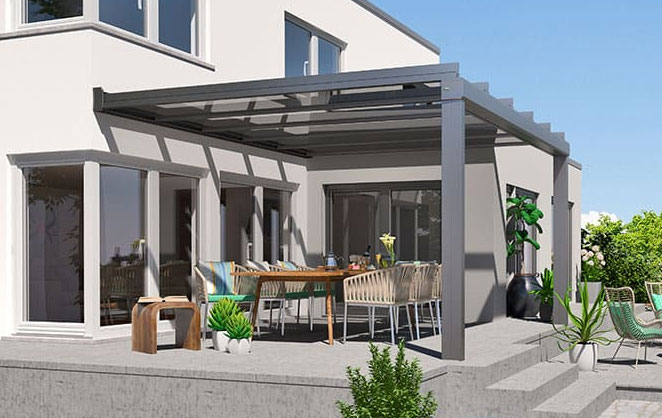
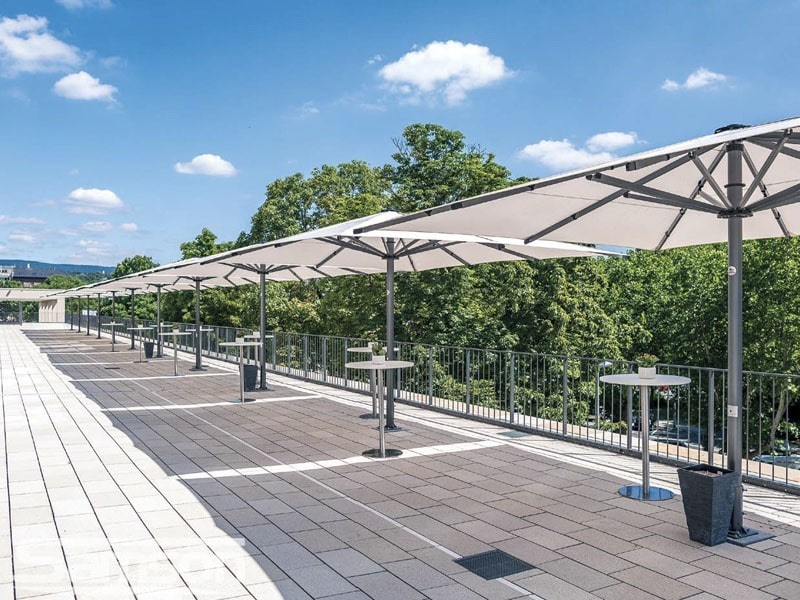
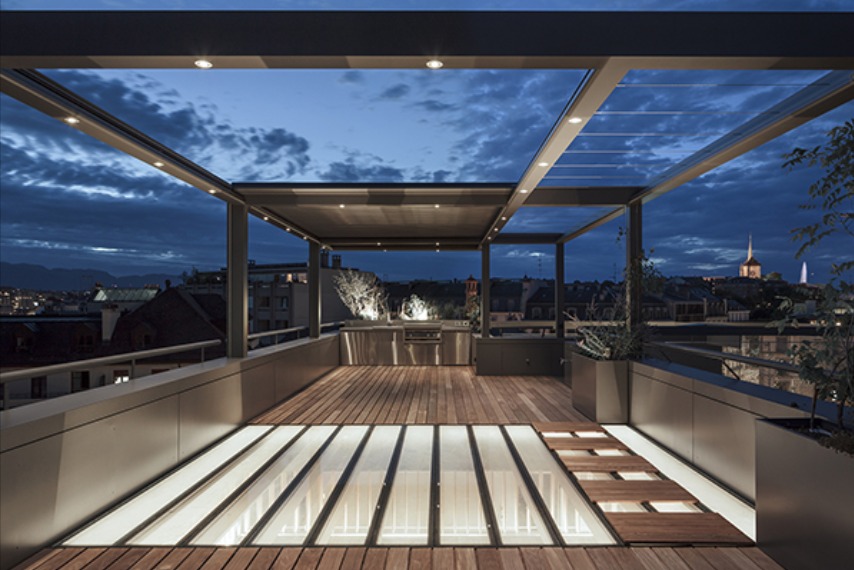
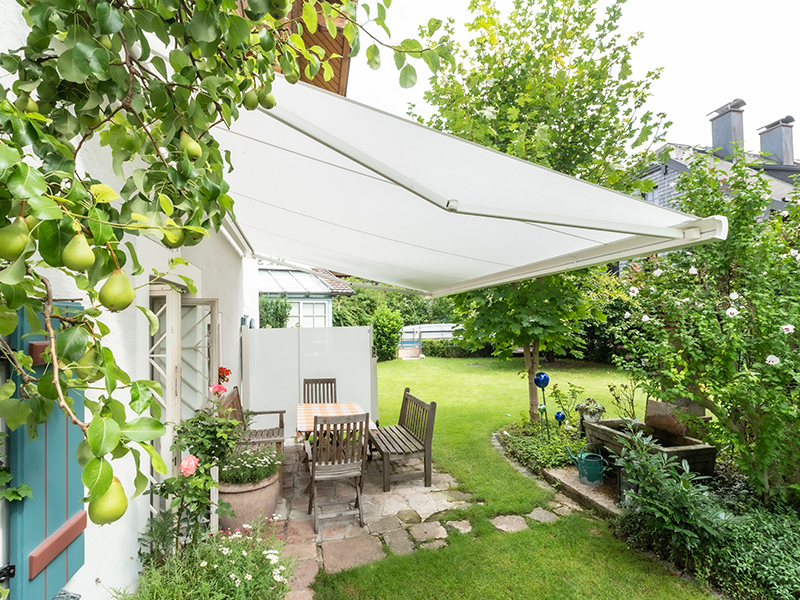
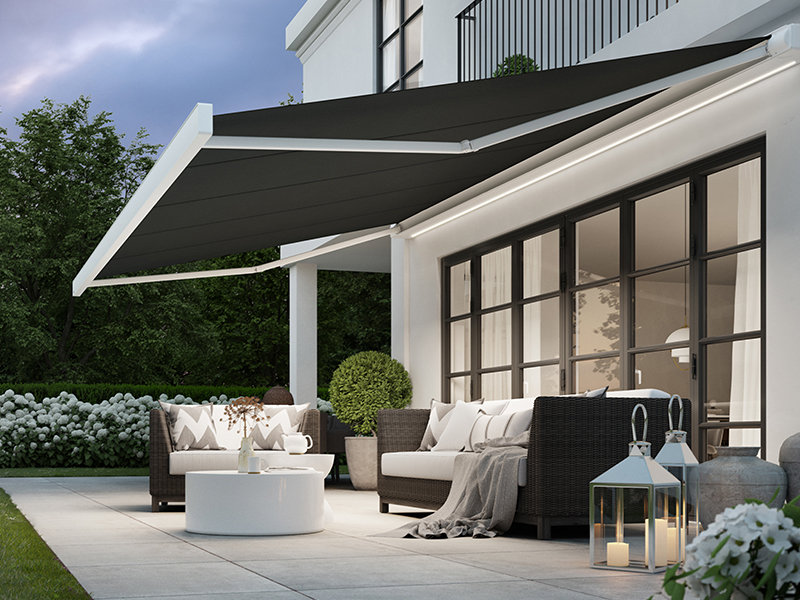
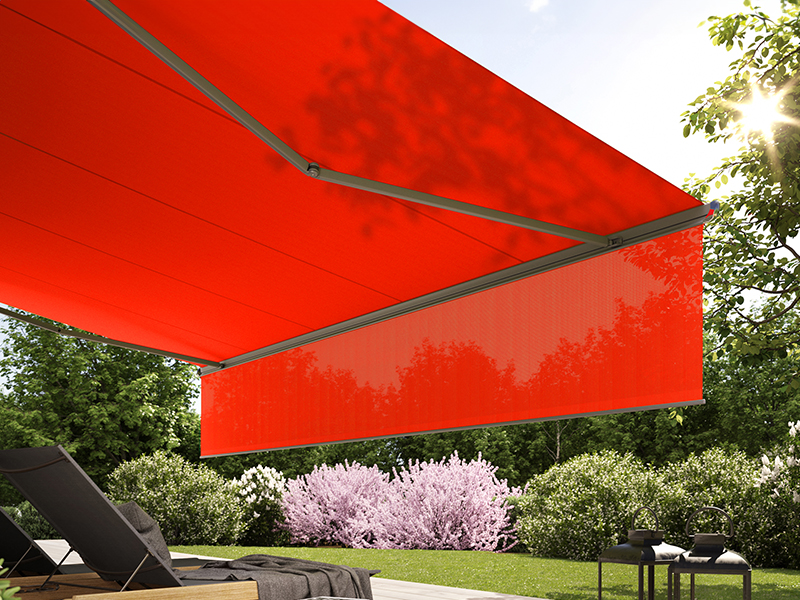
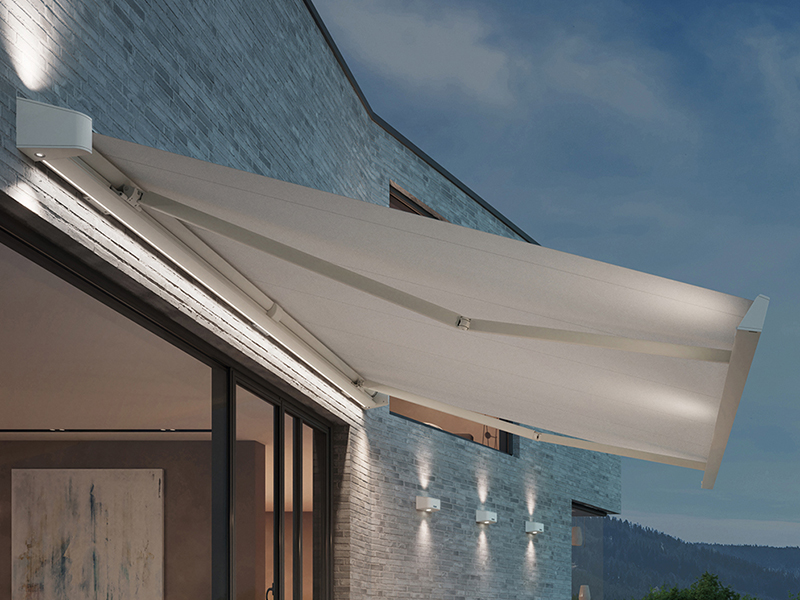
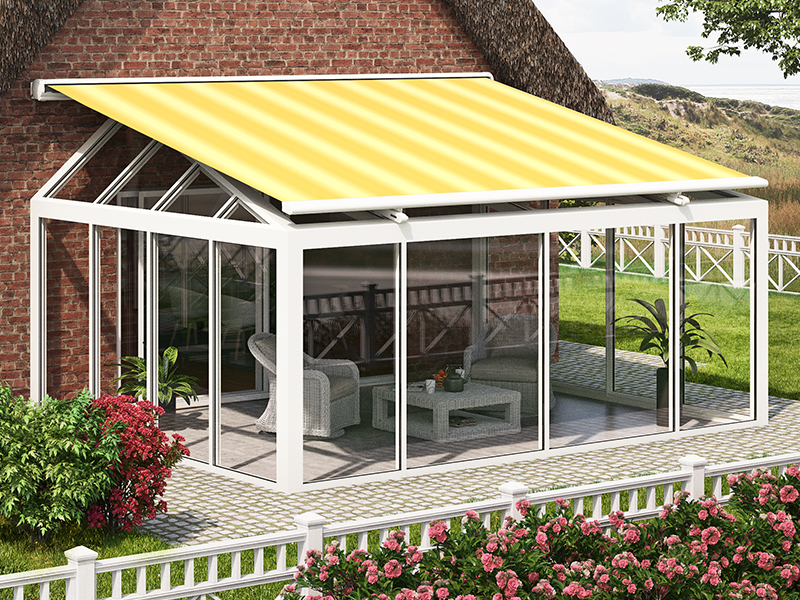
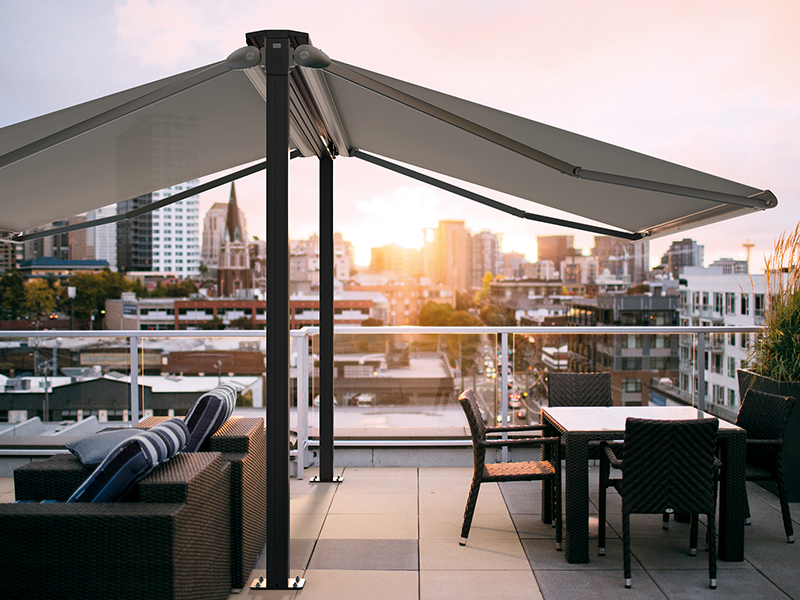
Samson Awnings offer a vast range of fixed or Retractable Awnings, commercial Retractable Canopies, Glassrooms, Parasols, External Vertical Blinds and Freestanding Structures to protect from the UK weather and extend the use of your outdoor space all year round.
By Product Type
Get In Touch
With Us Today
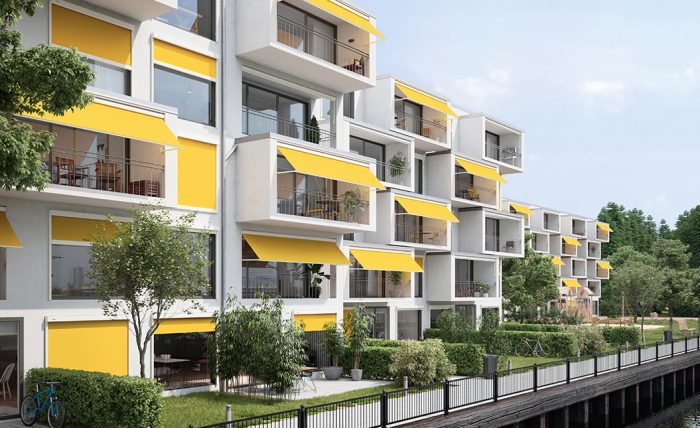
Intelligent External Shading for Energy-Efficient Commercial Buildings
Transform your building’s energy performance with the simple application of physics. Commercial external blinds are the single most effective retrofit solution for overheating office blocks and glazed façades in the UK.
External vertical blinds represent Europe’s fastest-growing building energy management solution, delivering 30-60% reductions in commercial air conditioning costs while improving occupant comfort and supporting net-zero carbon objectives.
Samson Awnings is a leading UK specialist in the supply and installation of these systems. We partner with premium manufacturers like Markilux to supply engineered German solar shading technology. These systems stop solar heat gain before it reaches your windows, dramatically reducing cooling loads and energy consumption.
Unlike internal blinds that simply trap heat inside your building, external vertical blind systems intercept up to 90% of solar radiation outside the glass envelope. This fundamental physical advantage makes external shading 5-10 times more effective than internal solutions. It explains why external blinds are now mandated or strongly incentivised under building regulations across Germany, Austria, Switzerland, and increasingly here in the UK.
For UK commercial properties facing overheating challenges, rising energy costs, and tightening Part L Building Regulations, our motorised external vertical cassette blinds deliver measurable ROI. You can expect reduced HVAC expenditure, improved EPC ratings, enhanced BREEAM/LEED scores, and demonstrable progress toward your corporate net-zero commitments.
Why External Shading Outperforms Internal Blinds: The Building Science
The Greenhouse Effect
When sunlight passes through glass and strikes internal blinds, curtains, or furniture, it converts to long-wave infrared radiation (heat) which cannot escape back through the glass. This greenhouse effect traps thermal energy inside your building, raising indoor temperatures and forcing air conditioning systems to fight a losing battle against heat that should never have entered.
External Interception
External vertical blinds stop short-wave solar radiation (visible and UV light) before it reaches the glass. By intercepting solar energy outside the building envelope, external blinds prevent heat from entering in the first place. Studies show external shading blocks 72-92% of solar heat gain compared to just 35-55% for internal blinds.
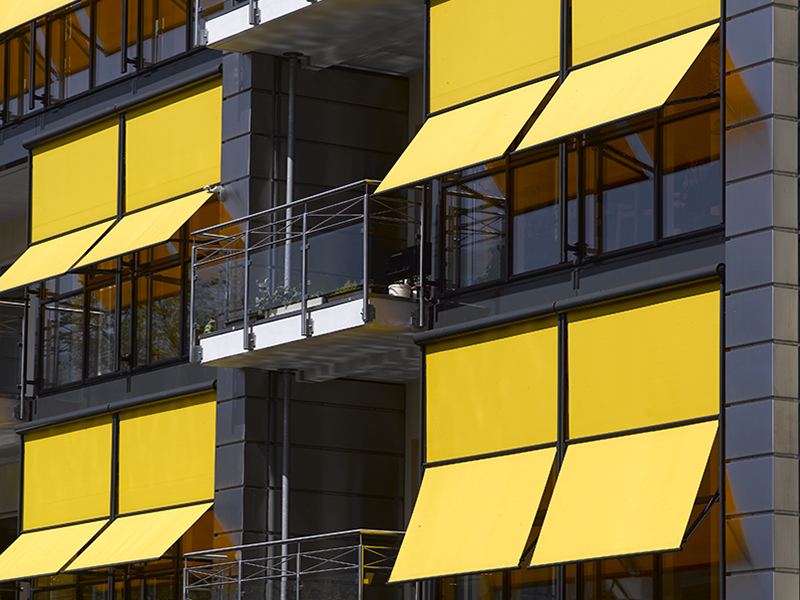
The Physics: g-Value Reduction
The g-value (total solar energy transmittance) measures how much solar heat passes through a window system. Modern double-glazed windows typically have g-values of 0.50-0.65 (meaning 50-65% of solar energy penetrates). Adding external blinds can reduce the combined g-value to just 0.08-0.15 (only 8-15% penetration). That is an 80-85% reduction in solar heat gain.
Air Gap Ventilation
The air gap between external blinds and your glazing allows for convective cooling. Heated air naturally rises and escapes, carrying absorbed thermal energy away from the façade. Internal blinds offer no such escape path; all absorbed heat eventually conducts or radiates into your occupied office space
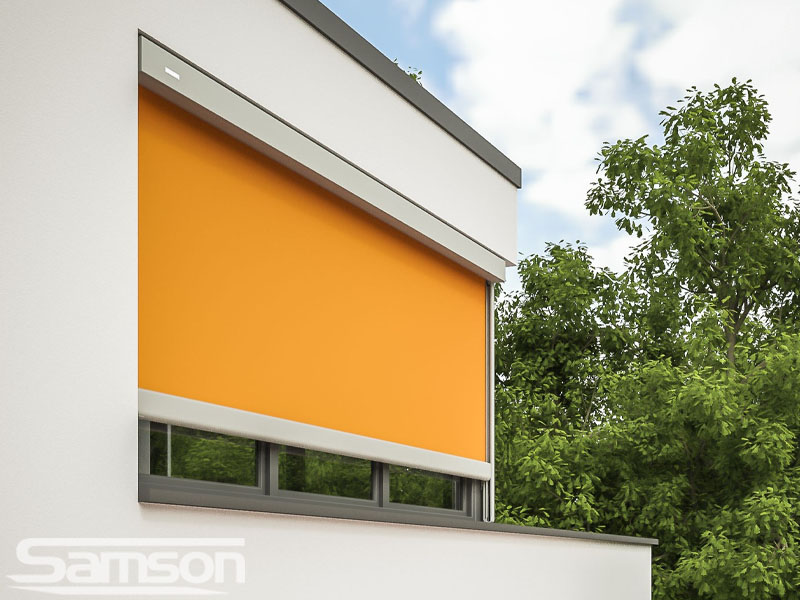
Energy Cost Reduction (30-60% Cooling Savings)
External vertical blinds typically reduce commercial air conditioning costs by 30-60% during the cooling season. For a typical UK office building spending £20,000–£50,000 annually on cooling, external shading delivers £6,000–£30,000 yearly savings. Simple payback periods of 4-8 years are common, with lifecycle savings often exceeding £100,000 over 15-20 years.
Reduced HVAC Capital Expenditure
By significantly reducing peak cooling loads, external shading allows you to specify smaller, less expensive HVAC systems in new builds and refurbishments. Designers can downsize chillers, reduce ductwork, and lower infrastructure costs—often offsetting 30-50% of the external blind installation costs during construction.
Carbon Footprint Reduction
Cutting air conditioning usage by 30-60% directly reduces Scope 2 carbon emissions from electricity consumption. For organisations pursuing net-zero targets or Science Based Targets initiative (SBTi) commitments, external shading provides quantifiable, auditable emissions reductions that support ESG reporting and corporate sustainability objectives.
Improved EPC Ratings
Building Energy Performance Certificates (EPCs) explicitly account for solar shading effectiveness. Installing external vertical blinds improves EPC ratings, increasing property value and rental appeal while meeting Minimum Energy Efficiency Standards (MEES) for commercial lettings.
BREEAM & LEED Certification Credits
Both BREEAM (UK/International) and LEED (US/International) green building certification schemes award credits for external solar shading. External blinds contribute to Energy (Ene) and Health & Wellbeing (Hea) categories, supporting higher certification levels (Excellent, Outstanding, Gold, Platinum) that command rental and capital value premiums.
Overheating Prevention & Part L Compliance
UK Building Regulations Part L increasingly focuses on preventing summer overheating in commercial buildings. External shading is recognised as the most effective overheating mitigation measure, helping demonstrate compliance with TM52 and TM59 overheating assessments now required for many planning applications.
Glare Control & Occupant Productivity
Screen glare from uncontrolled sunlight reduces knowledge-worker productivity by 15-20% through eye strain, headaches, and visibility issues. External vertical blinds with perforated fabrics maintain natural daylight and external views while eliminating direct sun glare. This improves employee wellbeing, satisfaction, and output.
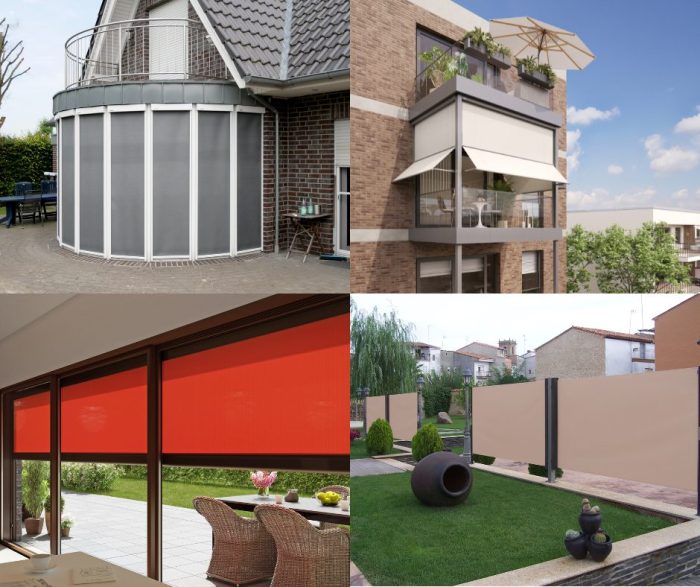
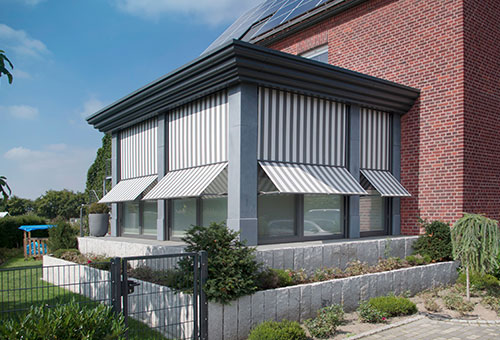
Occupant Comfort & Thermal Wellbeing
Controlling solar heat gain stabilises indoor temperatures, reduces hot spots near glazing, and minimises temperature stratification. Enhanced thermal comfort reduces complaints, improves tenant satisfaction, and supports higher occupancy rates in multi-let commercial buildings.
Furniture & Interior Protection
UV radiation fades furnishings, carpets, artwork, and merchandise. External blinds block up to 99% of UV rays before they reach interiors, protecting valuable fit-outs and retail inventory without the need for UV-blocking window films that reduce natural light.
Reduced Maintenance & Downtime
Lower HVAC loads extend equipment lifespan, reduce breakdown frequency, and decrease maintenance requirements. External motorised blinds require minimal maintenance (annual inspection and cleaning) and offer a 15-20 year service life, delivering reliable performance with minimal operational overhead.
Why External Blinds Dominate in Europe
External vertical blinds are standard in modern German, Austrian, and Swiss commercial buildings, with market penetration exceeding 70% in new construction. This is not just a cultural preference—it is driven by stringent energy regulations (EnEV in Germany, OIB in Austria) that effectively mandate external shading for south, east, and west-facing glazing in commercial buildings.
European Building Standards
Germany’s Energy Saving Ordinance (EnEV) and its successor, the Building Energy Act (GEG), require dynamic solar shading calculations for commercial buildings. Buildings must demonstrate that internal temperatures remain within acceptable limits during summer without excessive cooling energy. This requirement is practically impossible to meet with internal blinds alone on highly glazed façades.
UK Market Growth
The UK external blind market is growing by 15-20% annually as architects, M&E consultants, and developers recognise the technology’s superiority for overheating prevention. Part L 2021 tightening and the upcoming 2025 Future Homes and Buildings Standards are accelerating adoption, with external shading increasingly specified as standard on office, educational, and healthcare projects.

Climate Change Adaptation
Rising UK summer temperatures and increased heatwave frequency are making buildings designed for historical climate conditions uncomfortable and expensive to cool. External shading represents cost-effective climate adaptation—protecting building performance and occupant comfort as baseline temperatures rise.
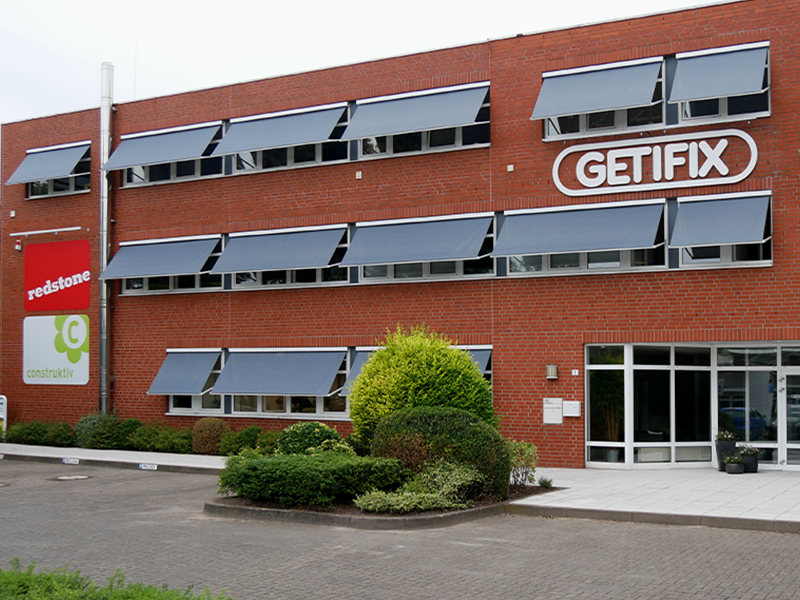
Office Buildings & Business Parks
Glazed office façades are prime candidates for external vertical blinds. South and west-facing elevations experience intense solar gain causing glare, overheating, and productivity loss. Motorised external blinds with automated sun-tracking maintain comfortable, glare-free workspaces while cutting cooling costs by 40-60%. Perforated fabrics preserve views and daylight quality.
Hospitals & Healthcare Facilities
Patient comfort, infection control, and energy management make external shading critical in healthcare settings. External blinds prevent ward overheating (linked to increased infection risk), reduce glare on medical screens and equipment, protect heat-sensitive medications, and deliver substantial energy savings in buildings operating 24/7/365.
Schools, Colleges & Universities
Classroom overheating impairs learning and causes exam disruptions. External vertical blinds maintain comfortable teaching environments, eliminate screen glare on interactive whiteboards and laptops, protect IT equipment from overheating, and reduce energy costs in buildings with limited cooling budgets. Automatic operation ensures consistent performance without teacher intervention.
Retail & Showrooms
External blinds protect merchandise from UV fading while maintaining street visibility through perforated fabrics. Reduced solar gain lowers air conditioning costs in retail environments with high internal heat loads from lighting and occupancy. Enhanced comfort increases dwell time and sales conversion.
Hotels & Hospitality
Guest satisfaction depends on comfortable room temperatures and effective glare control. External vertical blinds deliver superior performance compared to curtains or internal blinds, reducing complaints and negative reviews. Automated operation enhances perceived luxury while cutting energy costs across large room inventories.
Apartments & Residential Developments
External blinds are standard on German and Austrian apartment buildings, providing residents with effective solar control and privacy. UK Build-to-Rent and Purpose-Built Student Accommodation (PBSA) developments increasingly specify external shading to meet overheating regulations and deliver superior living environments.
Data Centres & Server Rooms
While data centres use mechanical cooling, external shading on any glazed elements (offices, entrance areas) reduces solar heat gain that would otherwise be rejected by chillers at significant energy cost. Every watt of solar gain blocked externally saves cooling energy.
Laboratories & Cleanrooms
Precision environments requiring stable temperatures and minimal particulate contamination benefit from external shading. It reduces cooling loads without introducing heat-generating internal blinds into controlled spaces.
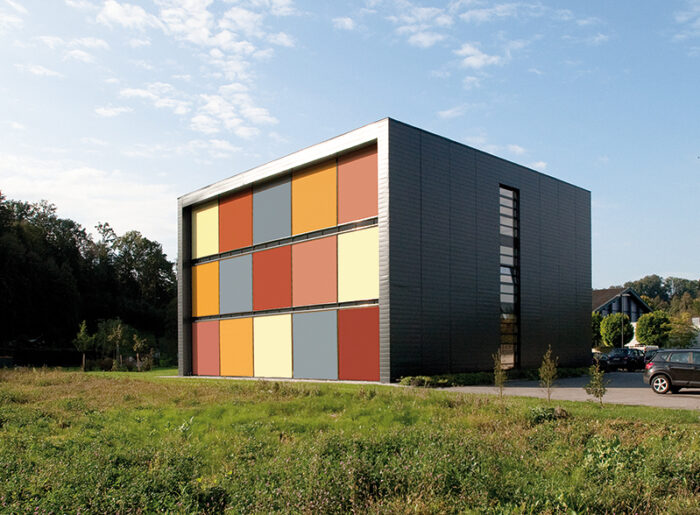

Cassette Housing Designs
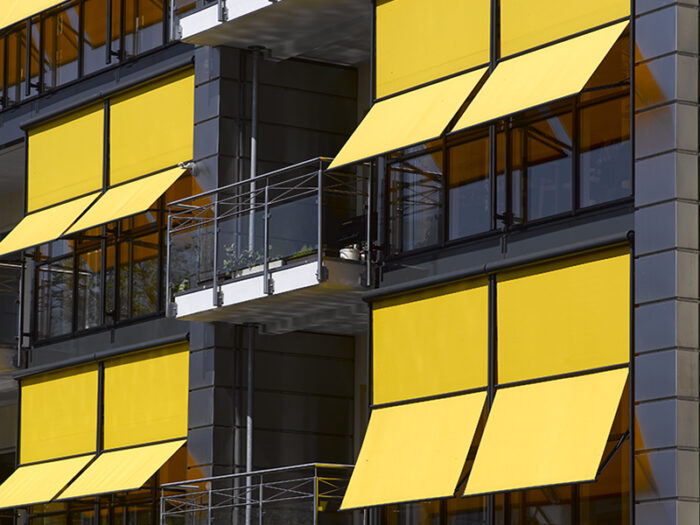
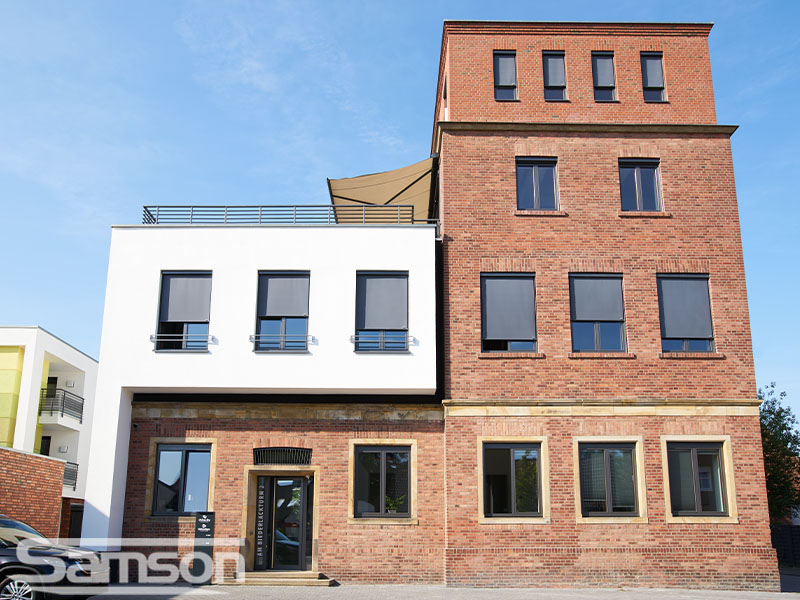
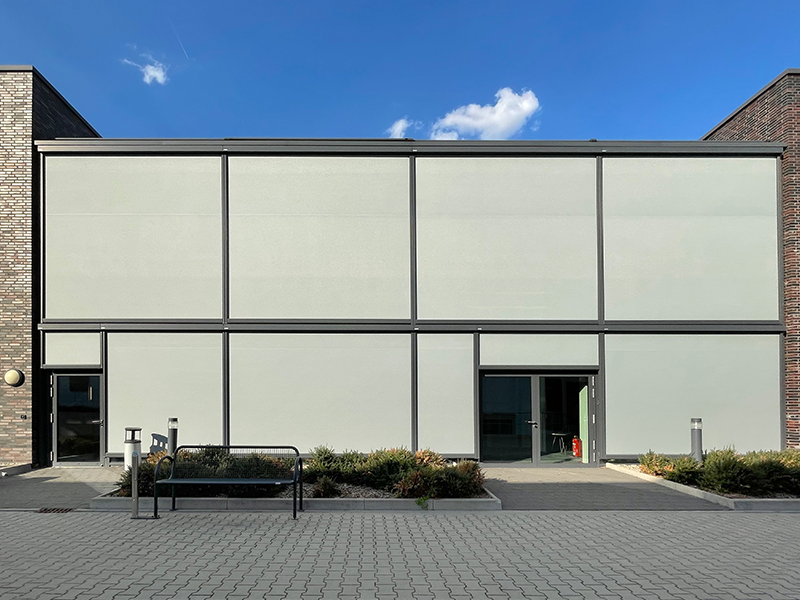
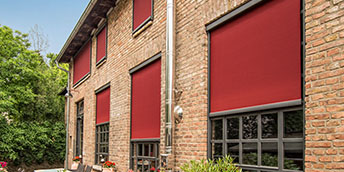
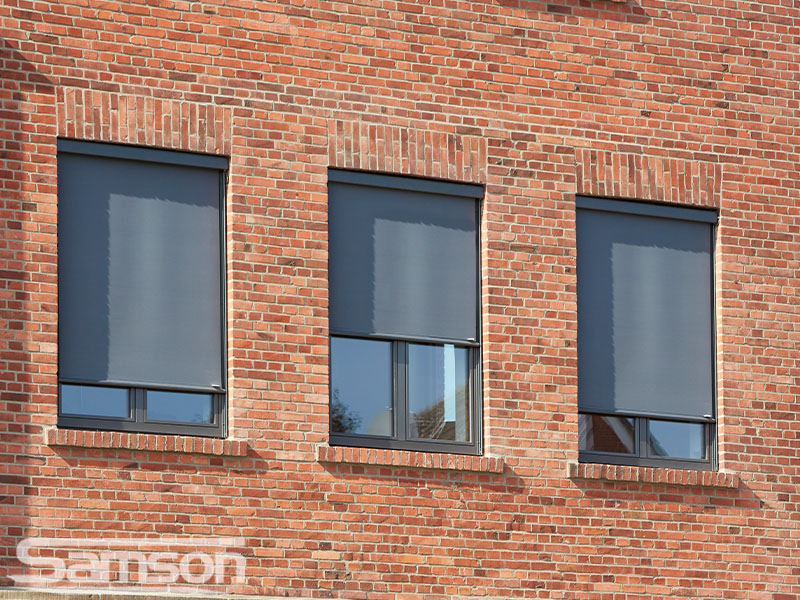
External blind fabric rolls are housed in protective aluminium cassettes mounted above windows. You can choose from oblong, square, or round cassette profiles to suit your architectural aesthetics. These cassettes protect the fabric and mechanisms from weather exposure, extending service life and maintaining appearance. Powder-coated finishes in standard RAL colours or custom specifications integrate seamlessly with building façades.
Fabric Guidance Systems
ZIP System: The premium option features fabric edges sealed into side channels via continuous zippers. ZIP systems eliminate light gaps, prevent fabric billowing in the wind, deliver the highest wind ratings (Beaufort 6-7), and provide weather-tight performance. We recommend this for exposed locations, larger installations, and applications requiring maximum weather protection.
Fabric Technologies
Motorisation & Control Systems
Smart Building Integration: BACnet, Modbus, KNX, and other building automation protocols allow external blinds to integrate with sophisticated energy management systems. Blinds automatically respond to building occupancy, temperature, and energy demand.
Sun Sensors: Photocell sensors detect solar intensity and automatically lower blinds when sunshine exceeds preset thresholds. Prevents overheating and glare without manual intervention.
Wind Sensors: Anemometers detect high winds and automatically retract blinds to protect fabric and mechanisms. Typical wind retraction thresholds: Beaufort 6-7 (40-60 km/h) for cable systems, Beaufort 7-8 (50-75 km/h) for ZIP systems.
Timer Controls: Programmable schedules automatically lower/raise blinds based on time of day, day of week, and seasonal patterns. Optimises energy performance while ensuring blinds are raised overnight to prevent security concerns.
Smart Home/Building Integration: Amazon Alexa, Google Home, Apple HomeKit, and commercial BMS integration enable voice control, smartphone apps, and integration with holistic building automation strategies.
Sizes & Specifications
Made-to-measure to the millimetre for perfect façade integration
Markilux External Vertical Blind Range
Samson Awnings supplies premium Markilux external cassette blind systems—German-engineered solar shading recognised across Europe for quality, reliability, and performance.
Markilux 620/625 Trackfix
Cable-guided external vertical blind with square cassette housing. A cost-effective solution for standard commercial applications. Available in widths to 4m and heights to 3.5m. Manual or motorised operation. An excellent choice for retrofit projects and budget-conscious specifications.
Markilux 710/810 Vertical Cassette Blind
Rod-guided system offering enhanced stability and larger sizing compared to cable systems. Oblong or round cassette options. Superior wind resistance. Available in widths to 5m and heights to 4m. Ideal for exposed façades and larger glazing elements.
Markilux 740 Marquisolette
Specialist drop-arm blind combining external shading with adjustable angle control. The fabric can be positioned at various angles to balance daylight admission and solar control. A unique solution for applications requiring both shading and view preservation.
Markilux 776/876 Trackfix ZIP
Premium ZIP-guided system delivering maximum weather protection and wind resistance. Fabric edges sealed in side channels eliminate light gaps and prevent billowing. Available in widths to 6m and heights to 6m. The ultimate external blind for demanding commercial applications, exposed locations, and projects requiring guaranteed performance.
All Markilux systems are available with:
5-year manufacturer warranty
150+ fabric choices (perforated, screening, blackout, acrylic)
Motorisation with Somfy motors
Sun, wind, and timer automation
BMS integration capability
Custom RAL colour cassettes and side channels
Commercial external cassette blinds typically cost £400–£1,200 per square metre installed, depending on system specification, fabric choice, motorisation, and automation features. A typical office window (2m x 2.5m = 5 sq m) costs £2,000–£6,000 installed. While more expensive than internal blinds, the 30-60% energy savings and superior performance deliver ROI within 4-8 years.
External vertical blinds typically reduce cooling energy consumption by 30-60% during summer months. Actual savings depend on glazing orientation, building type, HVAC efficiency, and climate. South and west-facing façades see the greatest benefit. A detailed energy model can quantify savings for your specific building.
Perforated fabrics (Transolair, Perfotex) block 85-95% of solar heat while transmitting 5-15% of visible light and maintaining outward views. This provides effective sun control while preserving daylight quality and connection to the outdoors—far superior to closed internal blinds or drawn curtains.
Quality external cassette blind systems from Markilux typically last 15-20 years with appropriate maintenance. Aluminium cassettes and frameworks are extremely durable; motorised fabric typically requires replacement every 10-15 years depending on usage intensity and UV exposure. Motors carry 5-year warranties and are serviceable/replaceable.
Yes. Motorised external blinds can integrate with building management systems via BACnet, Modbus, KNX, and other industry-standard protocols. This allows centralised control, scheduling, and integration with holistic energy management strategies including HVAC optimisation and demand response programmes.
External vertical blinds are standard across Northern Europe including Germany, Austria, Switzerland, and Scandinavia—climates comparable to or harsher than the UK. Modern external blinds are engineered for wind, rain, temperature extremes, and UV exposure. ZIP systems deliver fully weather-tight performance in exposed coastal and urban locations.
Minimal. Annual inspection and cleaning (usually a fabric wash with mild detergent) maintains appearance and performance. Motorised components require no routine maintenance beyond occasional lubrication of moving parts. Professional servicing every 3-5 years ensures optimal longevity.
Ready to reduce energy costs, improve occupant comfort, and future-proof your building against rising temperatures?
Our technical team provides comprehensive external shading consultancy for commercial projects, including:





We welcome you and your family to come and try out the selection for yourself.
Visit our Showroom
6-8 Meadow Close, Ise Valley Industrial Estate, Finedon Road, Wellingborough, Northants, NN8 4BH
Our Outdoor Living team welcome you to visit our comprehensive showroom which is one of the largest in the UK, since 1992 at the same location. We have inside and outside working models of awnings, pergolas, glass verandas, retractable canopies and umbrellas. We also have a large range of entrance and garage doors as we are part of the Dovegroup and have doors, security products and electric gates in our portfolio. Our range of products that you can use for yourself and relish in the joy of outdoor living are from our trusted, impressive manufacturers such as Markilux and Weinor.
Please call on 01933 448844 to ask about our products and our team will expertly guide you through the pages of the website to see what products we have here, and how to make the best choice. Our showroom has a lot of products to view and try but if there is something very specific it might we worth checking to make sure we have a working example or sample to see and review.If you prefer we can provide budget prices for you, via email but for this we do ask for at least one image of the area you are considering installing to so we may assess product suitability and sizing, etc. Please send us images of your home or business and some basic measurements and this will commence our email consultation!