• What is the best Glass Veranda in the UK?

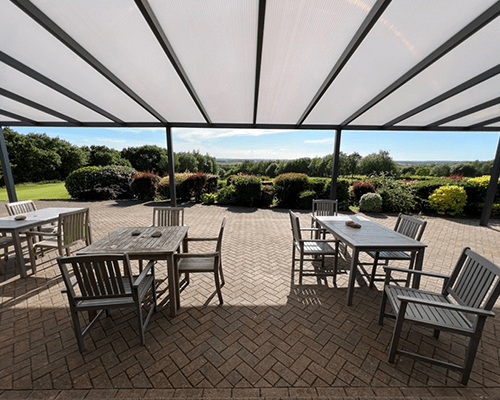
    As of 2025 the UK market is flooded with so many polycarbonate and glass veranda systems, all claiming of course to be the best, or indeed the cheapest. You definitely don’t want the cheapest, but which one is best? Don’t forget these verandas have to sit and take the full force of the British weather, 365 days a year over and over, so overall quality and specification is very important.

    (more…)
  • What do Glass Verandas cost?

    There is a massive price range for glass verandas in the UK and you really do need to do a lot of research on their origins and specifications for the purpose of a peace of mind to their suitability and longevity. (more…)
  • What are the benefits of a Glass Veranda?

    The glass veranda (canopy/awning or roof) is quite possibly one the very best outdoor weather protection systems you can use in the UK both for domestic and commercial applications. (more…)
  • Is planning permission required for a Glass Veranda?

    In most cases a glass veranda will not require planning permission and is technically considered a temporary structure for most sizes and applications. There will be times when permission might be required for the obvious cases of listed properties or when the veranda is particularly prominent to the surroundings. Very large or high structures which can be seen by others also might need permission so check before proceeding with your local authority. (more…)
  • Does a Glass Veranda need to be fitted to a building wall?

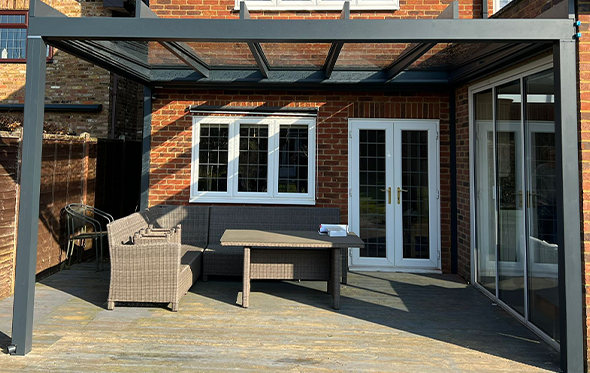
    Most polycarbonate or glass verandas are installed to an existing building or wall to have a seamless link from the property to access outdoor covered space with high levels of natural lighting.

    There is a wall plate attached to the wall and then roof bars and support posts to create the rest of the structure, all supported completely by the existing wall and posts to the ground.

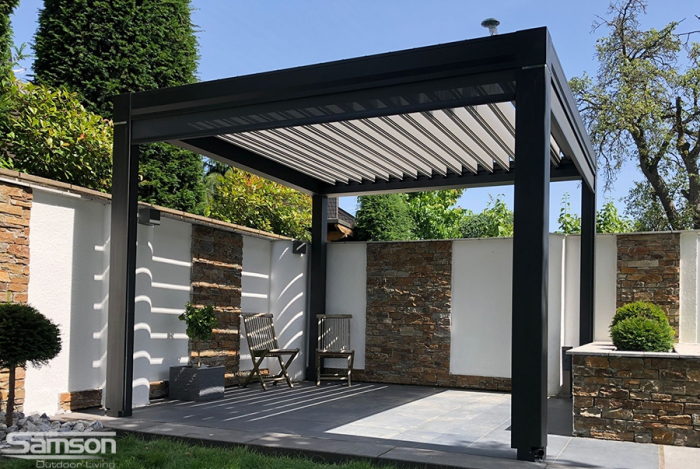
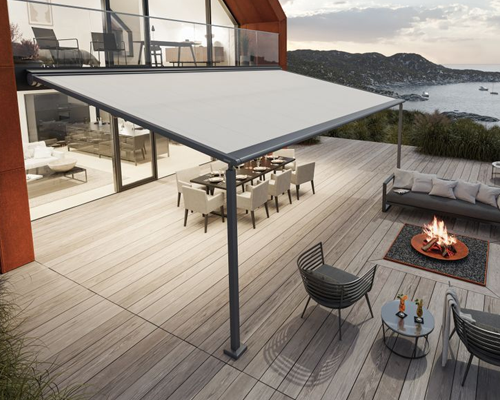
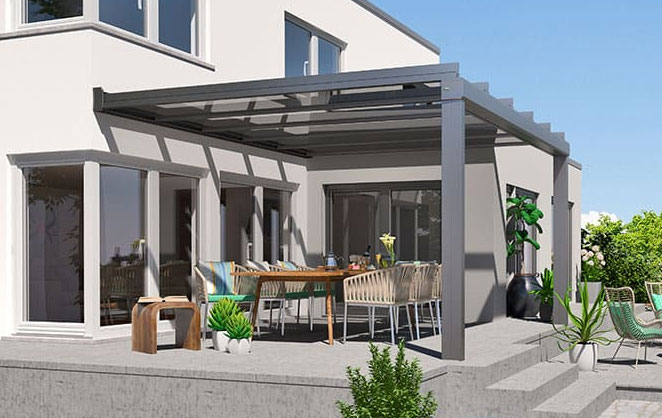
    There is an increasing range of self supporting aluminium verandas to choose from which are perfect when the wall isn’t high enough or suitable for fixing directly to. We offer either traditional sloping glass or polycarbonate roof systems with 4 posts minimum and larger sizes with additional posts., We also offer a flat glass roof system with 4 posts, ideal for a stand alone structure as visually it won’t look out of place.. The glass isn’t actually totally flat but appears to be within its aluminium framework..

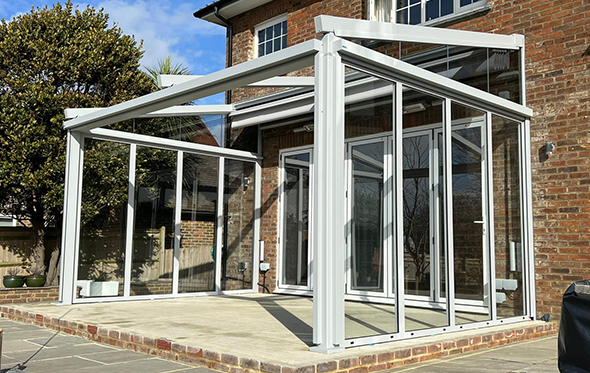
    Single storey extensions, listed properties and buildings with unsuitable shapes or structural integrity all benefit from a self supporting veranda which can be fitted close to the building and joined in various ways to be seamless and weather protected.

  • Does a Glass or Polycarbonate Veranda require foundations?

    Any glass veranda or aluminium pergola requires a solid base to anchor the support posts/legs to the ground and prevent any movement during high winds. The majority of weight for a wall mounted leaning glass veranda will be supported on the front posts and these need to be totally solid in their fixing points with no movement at all. The supporting posts are either concreted into the ground directly or secured to a concrete base at each point where a support post is required. They should never be screwed into tiles, screeds or light weight substrates. Weight and proper support is essential.

    For any self supporting system the ground anchorage is critical without a supporting wall to support and more exposure to wind too.

    For lighter weight polycarbonate verandas you can often install using pre cast concrete blocks or pads, which are positioned into the ground after digging a hole or placed under the appropriate slab on your patio to provide the anchor weight and fixing points for the post brackets.

    For heavier and larger systems we would recommend larger concrete bases or foundations at the exact positions for the posts and these can be retro installed underneath patios or grass as required.

  • Do Glass Verandas get hot underneath?

    The simple answer is NO, they do not, at least no hotter than if you sat without the glass roof. There is usually full air flow all around a glass roof structure at either side and the front. Only on the very stillest and hottest day of the year (that single day?) you might argue some heat gets trapped underneath the glass maybe, but any heat felt is generally exactly the same as if the glass wasn’t there and is the sun just shining onto you anyway.

    (more…)