Inspiration
We Have A Number Of Sources Of Solutions Thant Should Prove Inspirational For You.
Inspiration
We Have A Number Of Sources Of Solutions Thant Should Prove Inspirational For You.
High quality standard and bespoke outdoor living products designed to create additional beautiful outdoor space protected from the often great, but extremely variable British weather.
By Product Type
Get In Touch
With Us Today
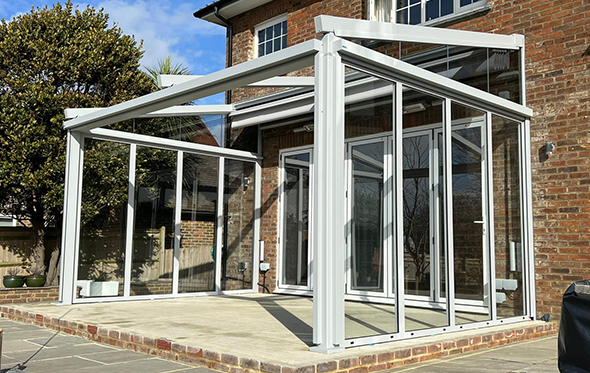
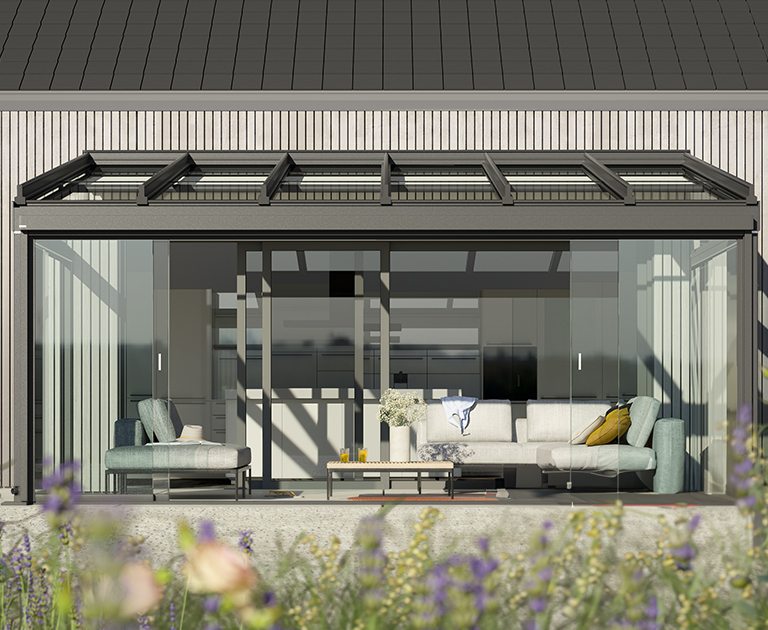
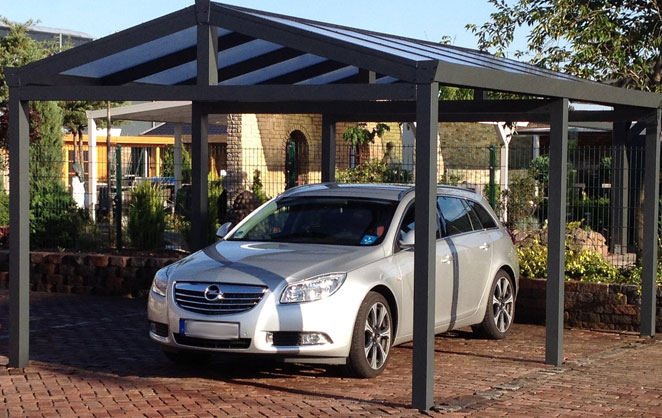
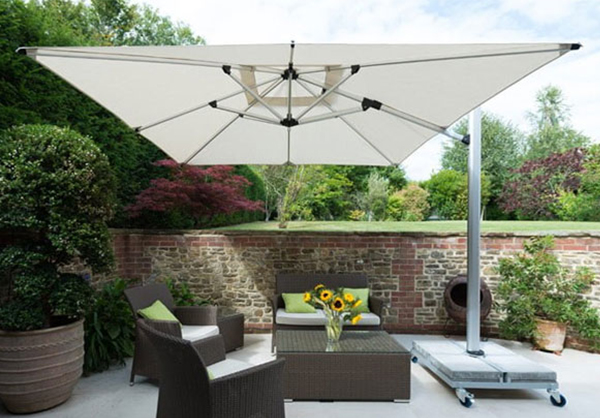
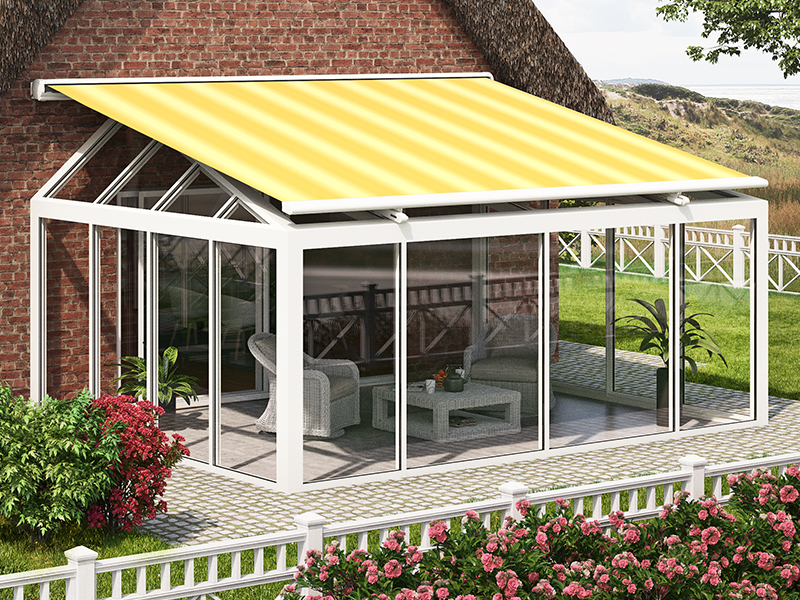
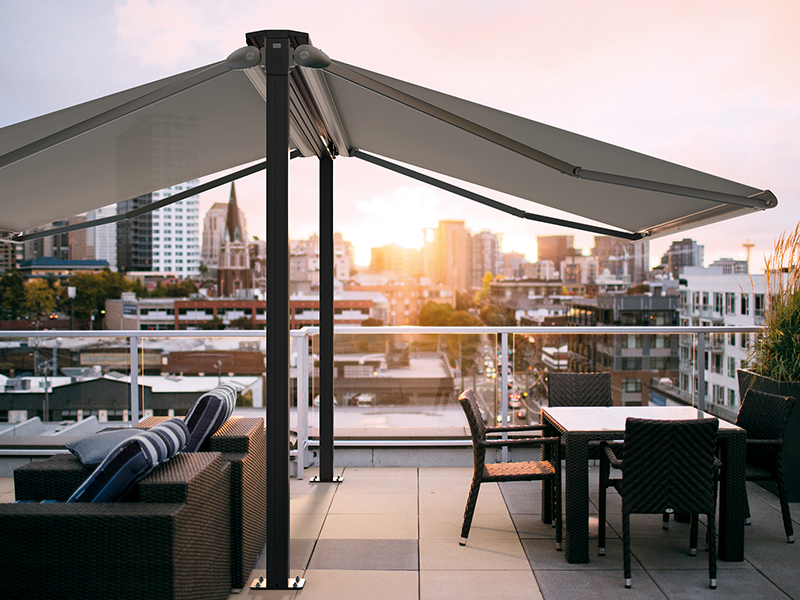
Samson Awnings offer a vast range of fixed or Retractable Awnings, commercial Retractable Canopies, Glassrooms, Parasols, External Vertical Blinds and Freestanding Structures to protect from the UK weather and extend the use of your outdoor space all year round.
By Product Type
Get In Touch
With Us Today
UK summers are becoming warmer, sunnier and more challenging for homes with large windows, patio doors and glazed extensions. It is a problem many homeowners already recognise: rooms that feel pleasant in spring can become uncomfortably hot once strong sunshine reaches the glass.
Closing curtains or internal blinds may help reduce glare and improve privacy, but they begin working only after sunlight has reached — and started warming — the glass. For the most effective defence against unwanted solar heat, shade should be positioned outside the window or door, stopping much of the sun’s energy before it enters the home.
Why Internal Blinds Have Limits
Internal blinds, shutters and curtains still have a role. They are useful for privacy, light control and reducing glare, and can make a room feel more comfortable.
However, they are not the strongest solution for a room overheating in direct sunshine. Once solar radiation has passed through the glazing, heat is already being introduced to the room. An internal blind can absorb or reflect some of that energy, but it is doing so from inside the building.
External shading works earlier in the process. By intercepting sunlight before it reaches the glass, it reduces the solar gain that can build up indoors. Internal systems can contribute to solar control, but external or mid-pane solutions are generally more effective at limiting overheating.
Stop Heat Before It Reaches the Glass
This is the simple advantage of external shading: it treats the cause rather than trying to manage the effect.
A well-designed awning, external blind or pergola can shade glazing at the time it matters most, helping rooms stay more comfortable during sunny periods. The precise result will vary from one home to another, depending on the direction the windows face, the size and type of glazing, the shading fabric, the level of coverage and how the system is used.
External shading should not be viewed as a one-size-fits-all solution or a universal temperature guarantee. It is better understood as a practical way to substantially reduce unwanted solar gain. Awnings, external blinds, shutters and overhangs are all recognised approaches to controlling summer heat in homes.
The Right System for Each Space
External shading is not one product. Different systems suit different elevations, lifestyles and types of glazing.
Retractable Awnings
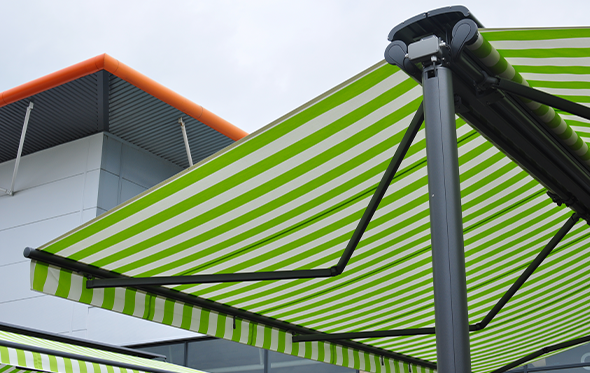
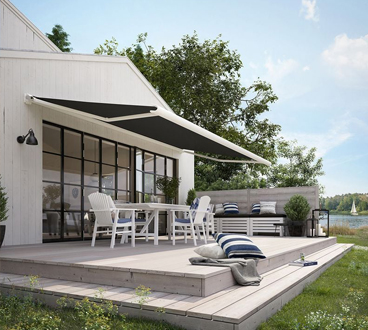
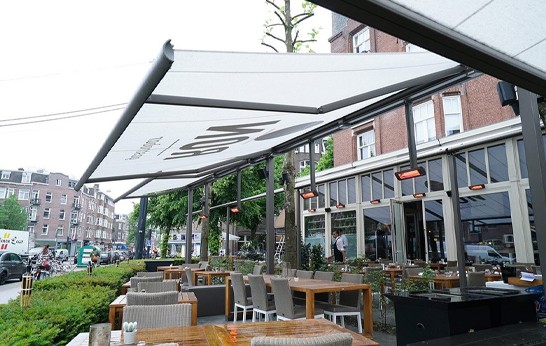
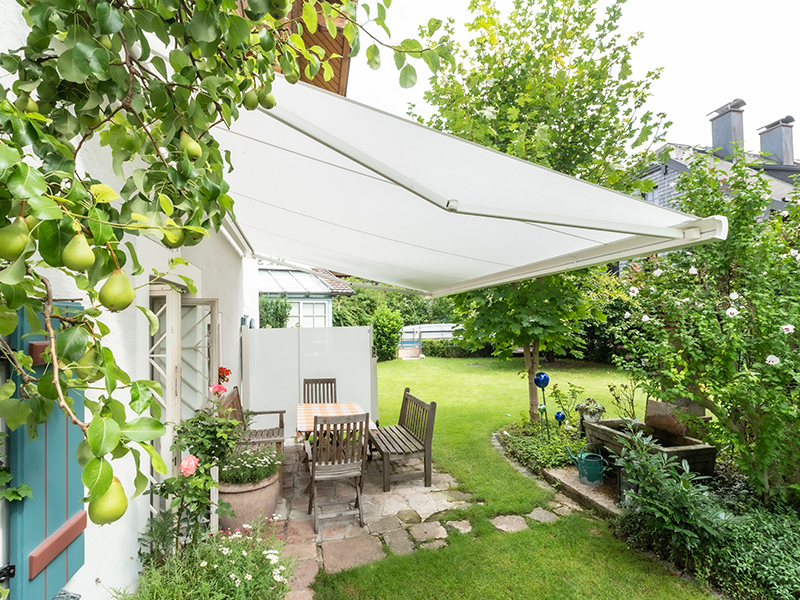
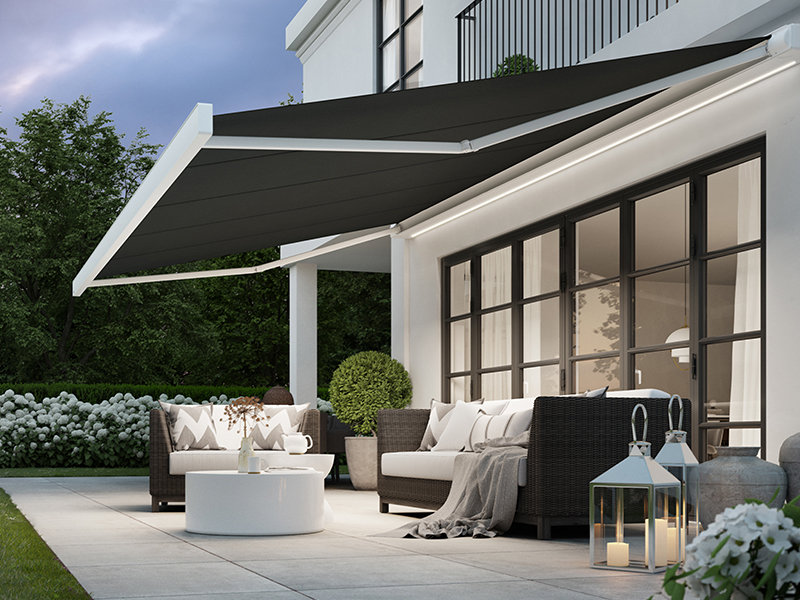
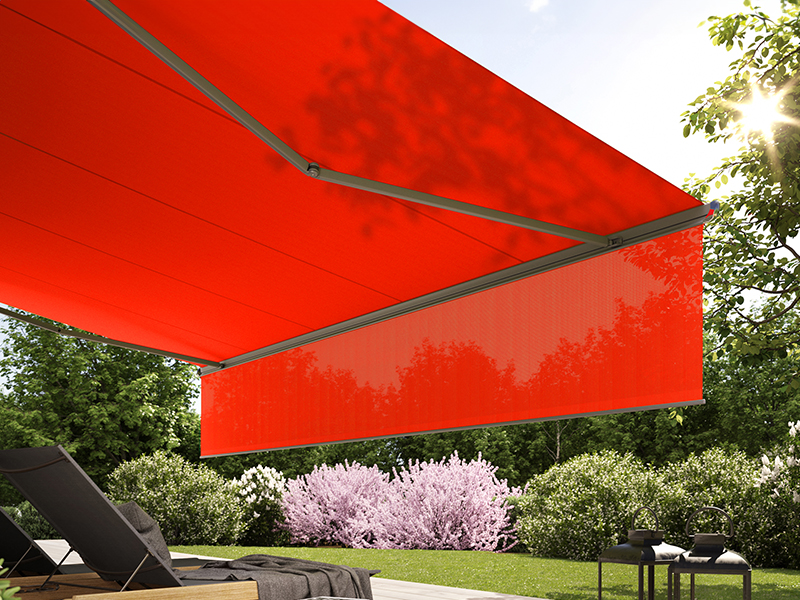
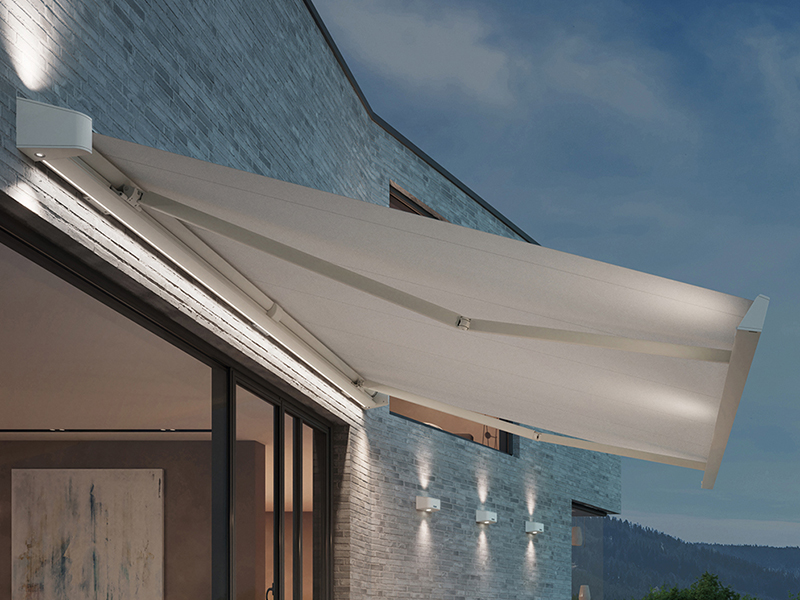
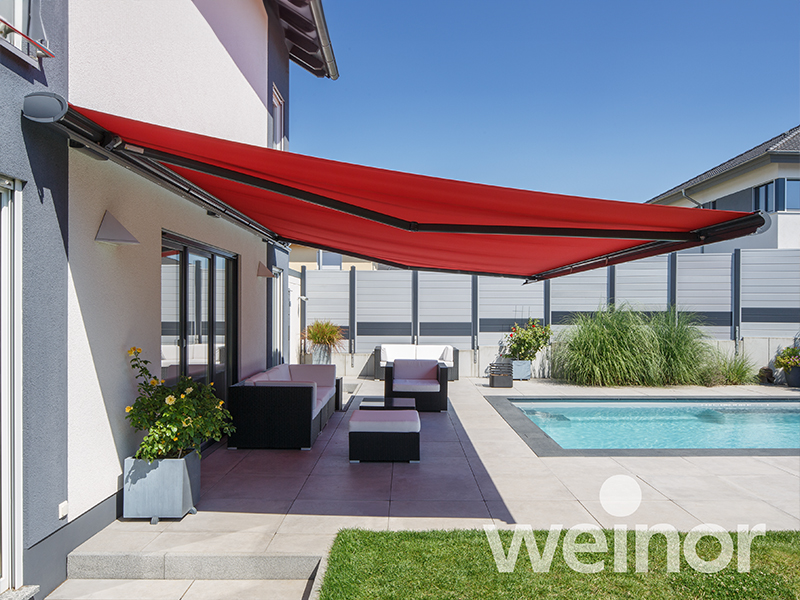
Retractable awnings are particularly effective over patio doors, French doors, bifold doors and wide south or west facing windows. They project outward with folding arms to create shade over the glass and, at the same time, make patios and terraces more comfortable for dining, relaxing and entertaining.
Because they retract when not required, an awning gives homeowners control: welcome sunlight in cooler weather, then extend shade when the sun becomes intense.
Pergola Systems
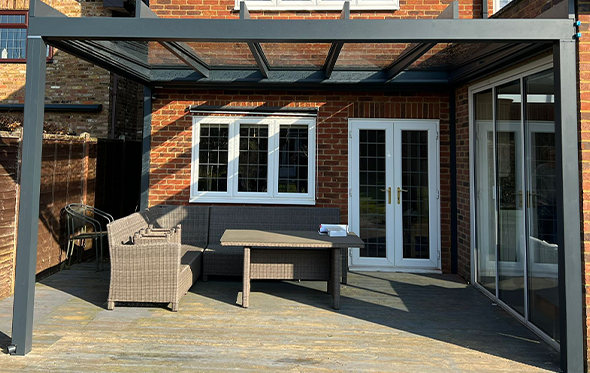
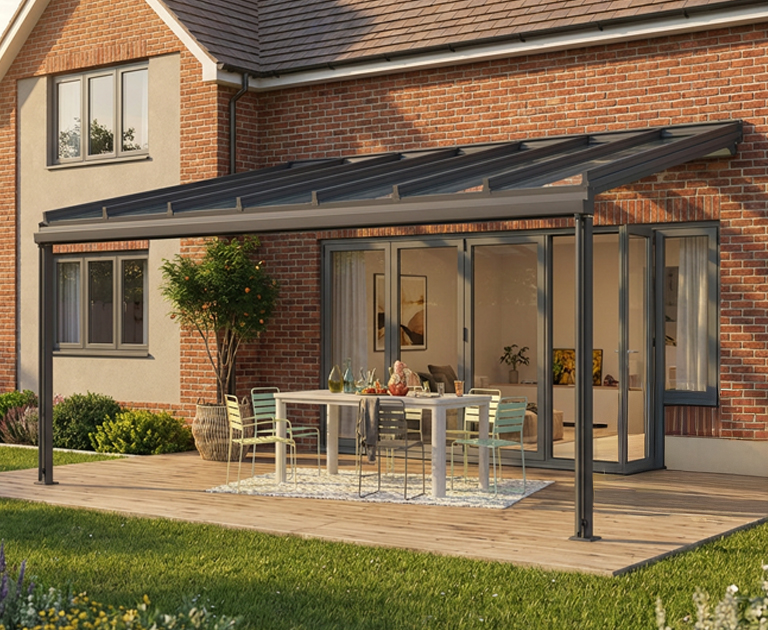
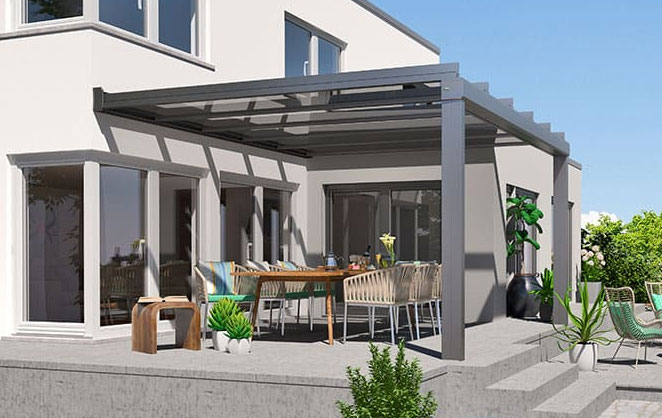
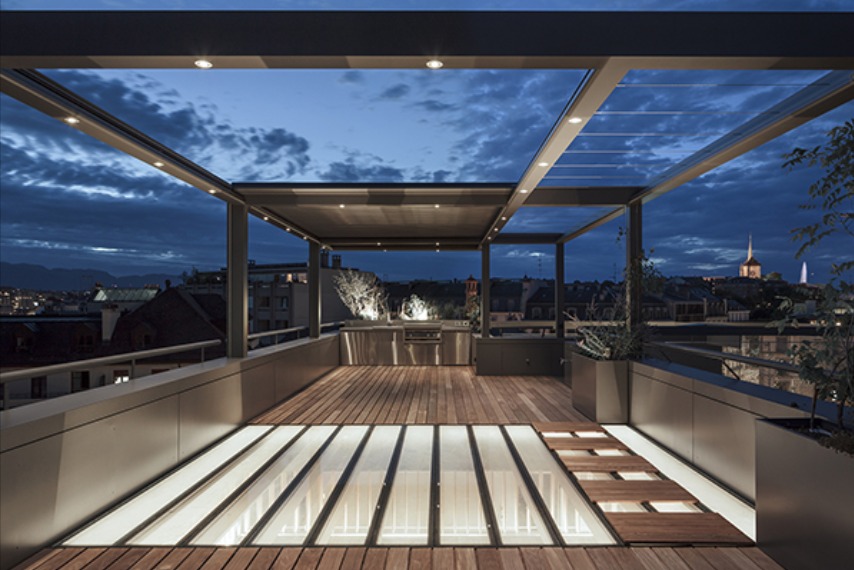
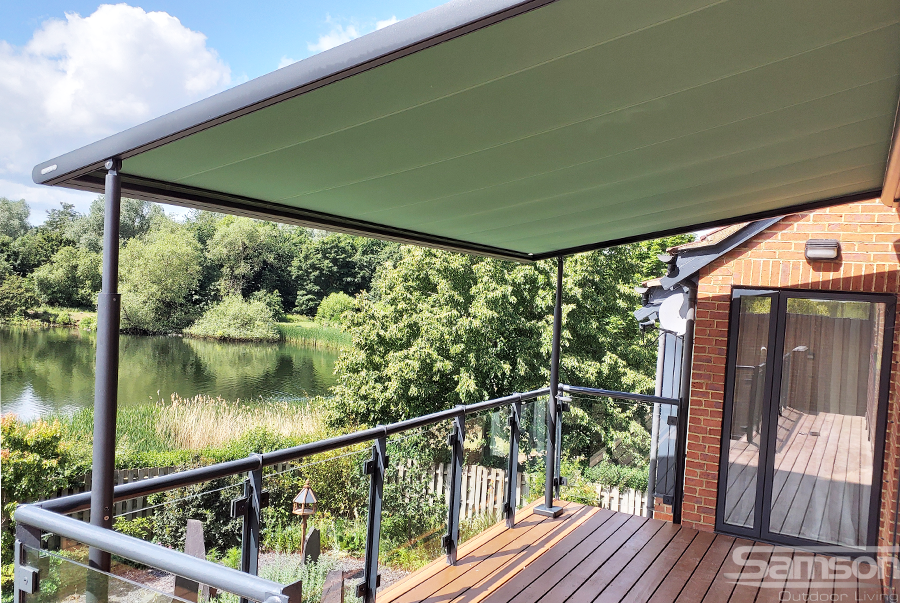
Pergolas are ideal where the objective is to improve both indoor comfort and outdoor living. Positioned beside large glazed doors or across a terrace, they create a defined shaded area that can help reduce direct sun on the home while making the garden more usable throughout the warmer months.
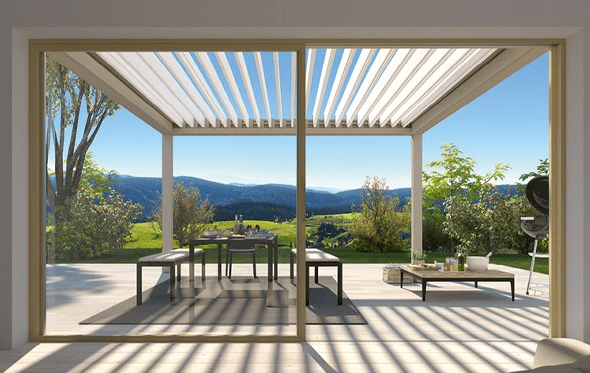
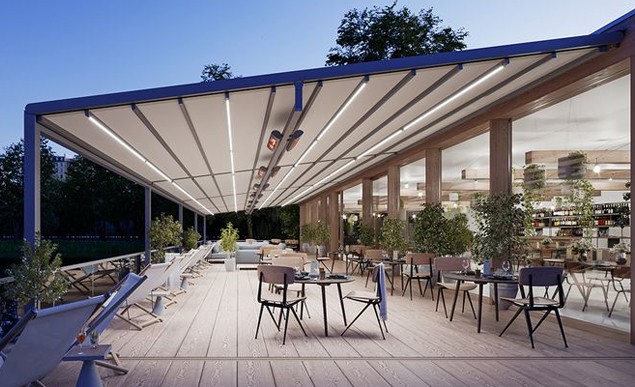
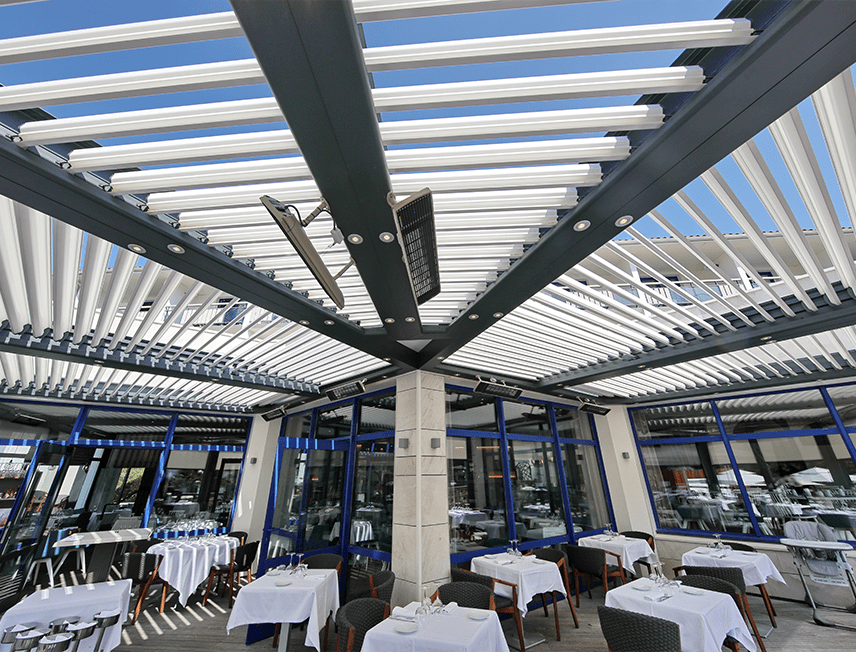
Retractable fabric roof pergolas can offer a more architectural, all season solution, although the correct design will depend on the space, exposure and intended use. High tension fabric roof systems are ideal if you also want to protect from rainfall too in your outdoor area.
External Vertical Screens
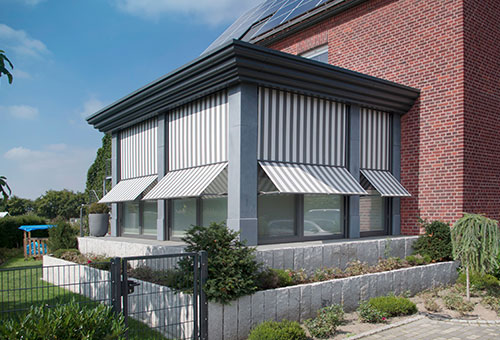
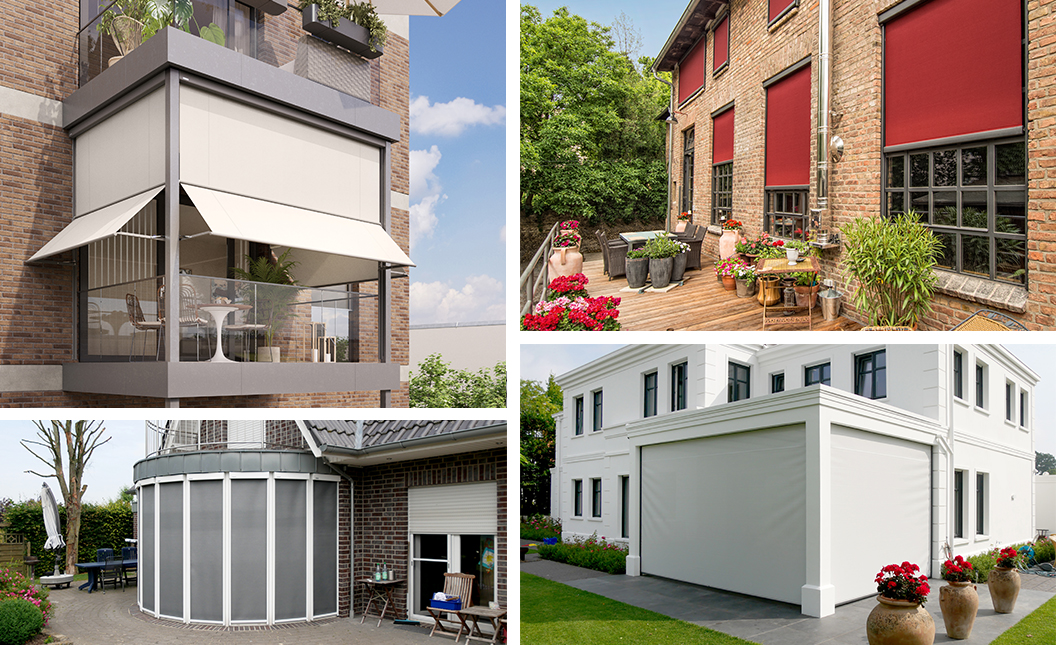
External vertical fabric blinds and zip screens are a strong option for low angle morning or evening sun, especially on east and west facing elevations. They can also help reduce glare, provide daytime privacy and protect large expanses of glazing without losing the connection to the garden.
For homes with highly exposed glass, external screens can complement an awning or pergola rather than replace it.
A Practical Alternative to Mechanical Cooling
External shading is a passive approach to keeping a home comfortable. A manually operated system uses no electricity while in use; motorised products use a small amount of power for operation, but do not require continuous energy consumption in the way that air conditioning does.
It can therefore help homeowners reduce reliance on fans or mechanical cooling during hot, sunny periods. This is increasingly relevant as UK homes become better insulated and more airtight, improvements that are valuable in winter but can make solar overheating more noticeable in summer if glazing is left unshaded.
External shading should be seen as part of a wider comfort strategy, alongside sensible ventilation, appropriate glazing, night-time cooling where safe and practical, and internal blinds or curtains for glare and privacy.
A Long Term Home Improvement
High quality external shading costs more initially than a basic internal blind, but it is also doing a different job. It is an investment in the comfort, usability and performance of a sun facing room.
A professionally specified and installed system, used properly and maintained according to the manufacturer’s guidance, can provide many years of service. Premium awnings and screens are designed with durable frames, weather resistant fabrics and replaceable components; in most cases, fabric replacement may be possible when a future update is needed.
Homeowners should choose a system suited to the building and local conditions. Wind exposure, fixing surfaces, window orientation, access, drainage and intended use all matter. Retractable systems should also be retracted in strong winds or severe weather unless the specific product is designed and rated for those conditions.
Make Summer Comfort Part of the Plan
Hotter summers mean that overheating is no longer just an issue for conservatories. It affects extensions, loft rooms, bedrooms, home offices and living spaces with generous glazing. The most successful approach is to think about shade before the room becomes uncomfortable.
Internal blinds and curtains remain useful finishing touches for privacy and glare. But when the aim is to reduce the heat created by direct sunshine, external shading is the more effective first line of defence.
Whether the right choice is a retractable awning over bifold doors, a pergola across a terrace or external vertical screens for exposed glazing, the principle remains the same: stop the sun before it reaches the glass, and your home has a far better chance of staying comfortable.