Inspiration
We Have A Number Of Sources Of Solutions Thant Should Prove Inspirational For You.
Inspiration
We Have A Number Of Sources Of Solutions Thant Should Prove Inspirational For You.
High quality standard and bespoke outdoor living products designed to create additional beautiful outdoor space protected from the often great, but extremely variable British weather.
By Product Type
Get In Touch
With Us Today
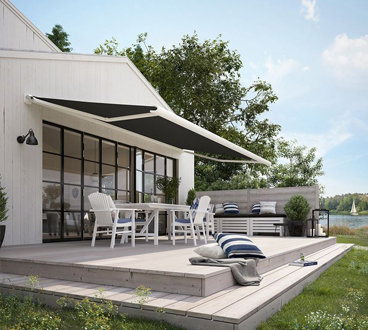
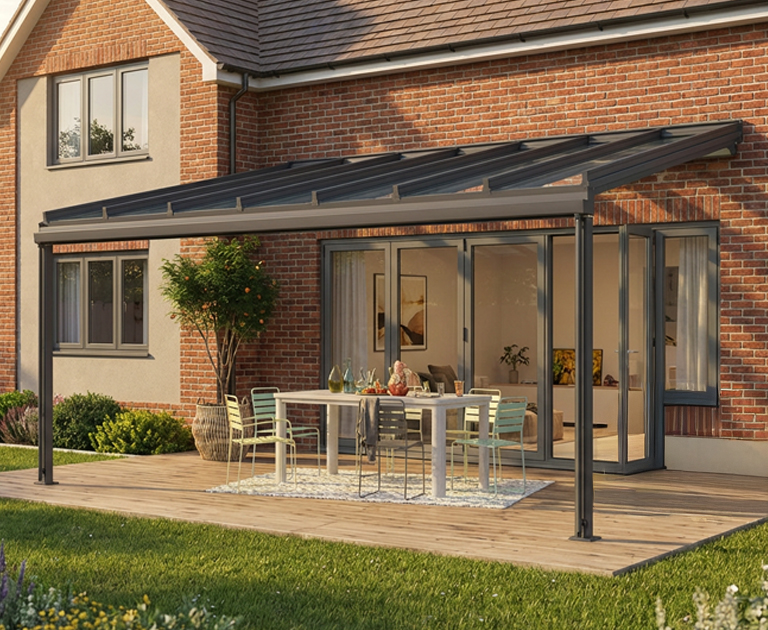
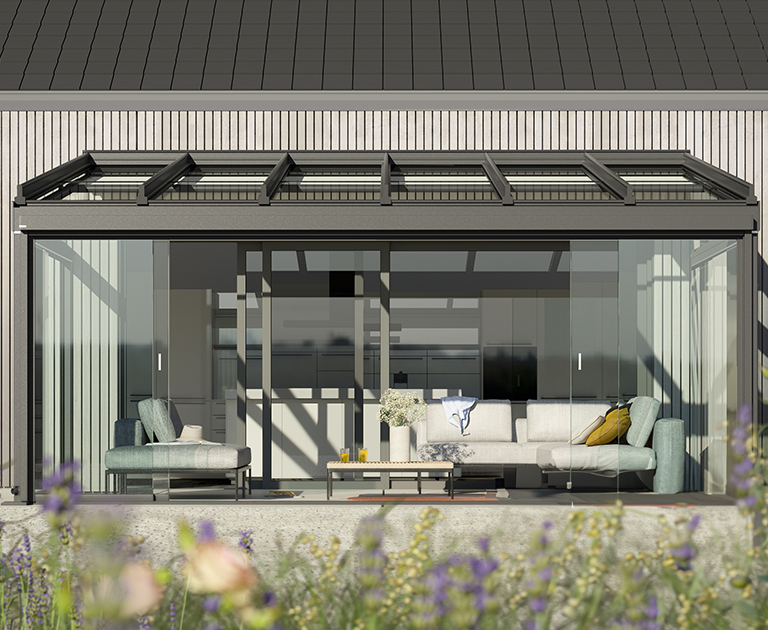
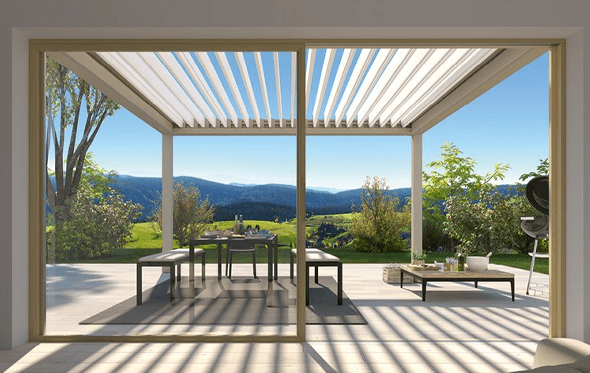
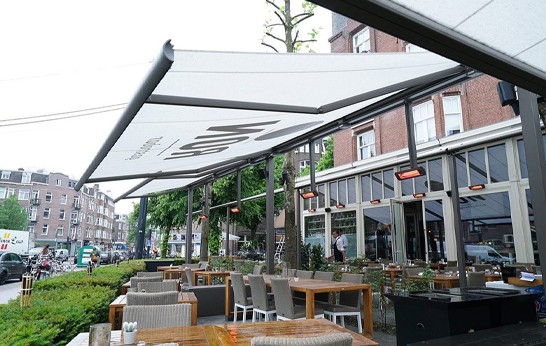
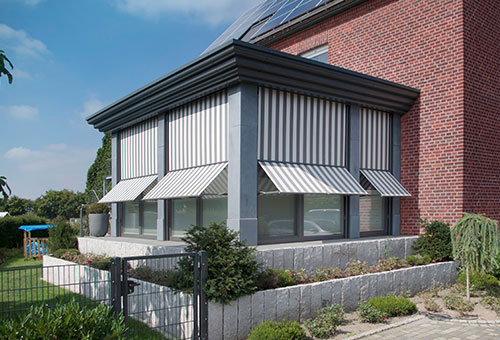
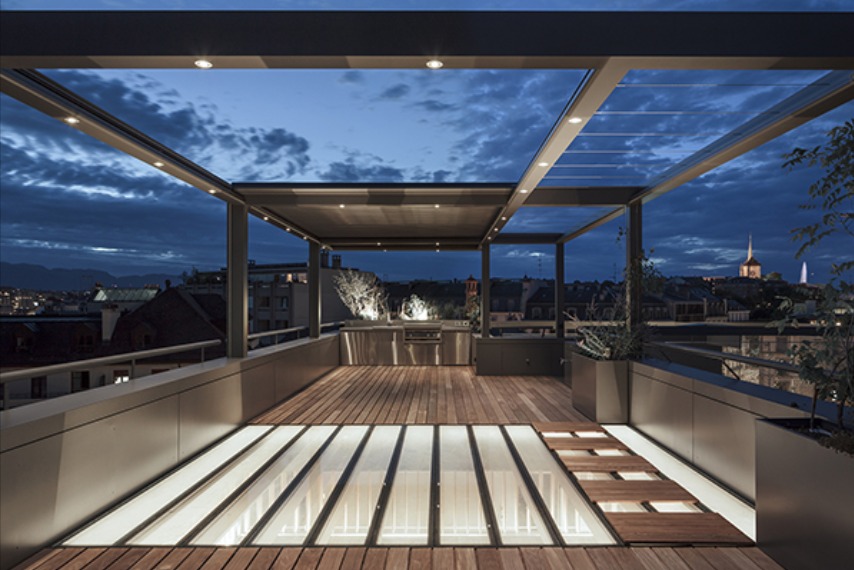
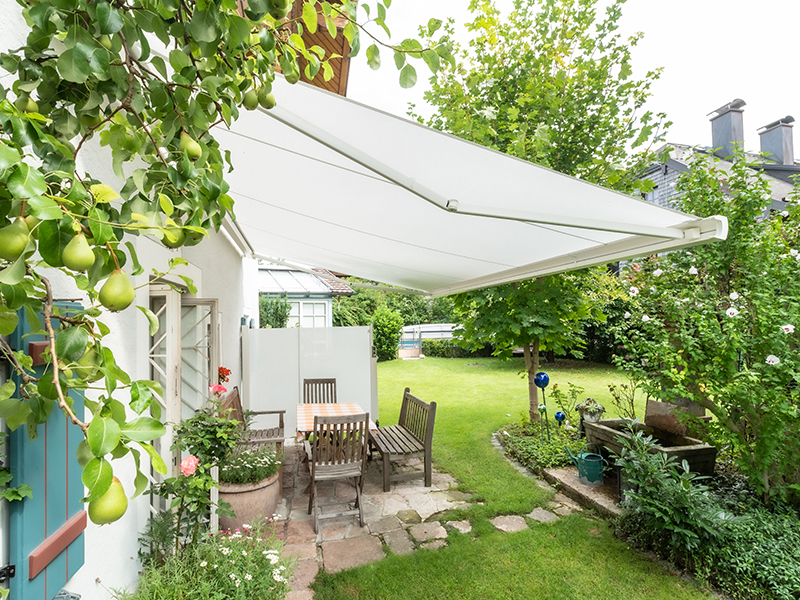
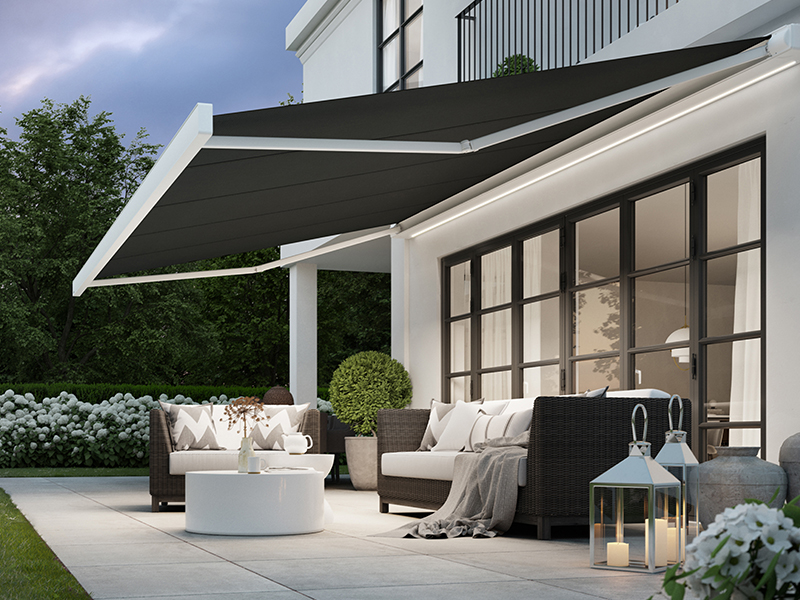
Samson Awnings offer a vast range of fixed or Retractable Awnings, commercial Retractable Canopies, Glassrooms, Parasols, External Vertical Blinds and Freestanding Structures to protect from the UK weather and extend the use of your outdoor space all year round.
By Product Type
Get In Touch
With Us Today
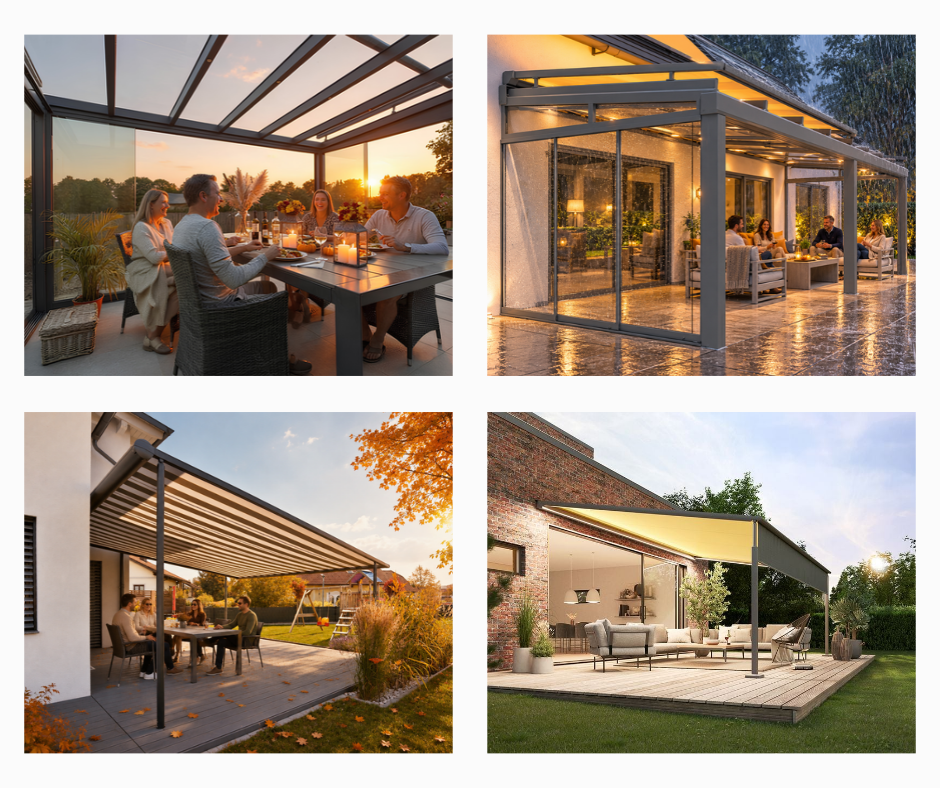
A low roofline, an awkward downpipe or a favourite seating area away from the house can make the usual wall mounted awning seem less straightforward. Samson Outdoor Living offers special fixing arrangements and freestanding support systems, so the first step is to assess the location rather than rule an awning out (Samson awning guide, freestanding options).
If you are reviewing how your patio worked over the summer, start with the place you actually want to sit. The best brief describes the space and the way you use it, not just a width on a wall.
Look beyond the obvious fixing position
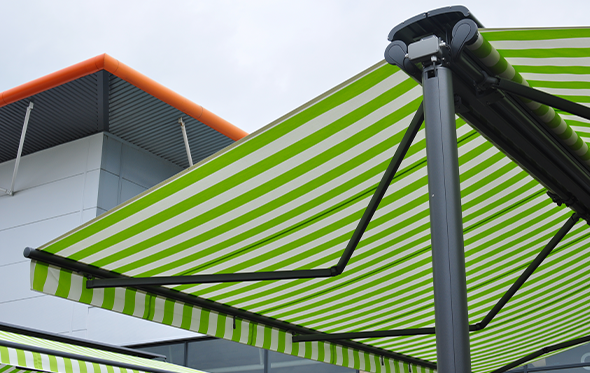
Samson’s awning range includes approaches such as spreader brackets, stand offs and goalpost framework for situations where a standard wall fixing is unsuitable (Samson awning guide). These are specification options rather than a promise that every wall can carry any awning (Samson awning guide).
Show the surveyor the whole elevation, including guttering, doors and windows, rather than a close photograph of the proposed cassette position. Ask how the support arrangement, cover projection and height at the front edge will work together.
For a bungalow or a low eaves position, discuss headroom early. The aim is to find a practical arrangement for the property, not to choose an awning and then force the fixing details to fit.
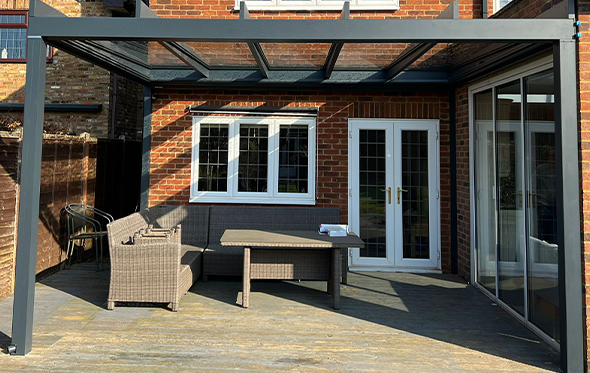
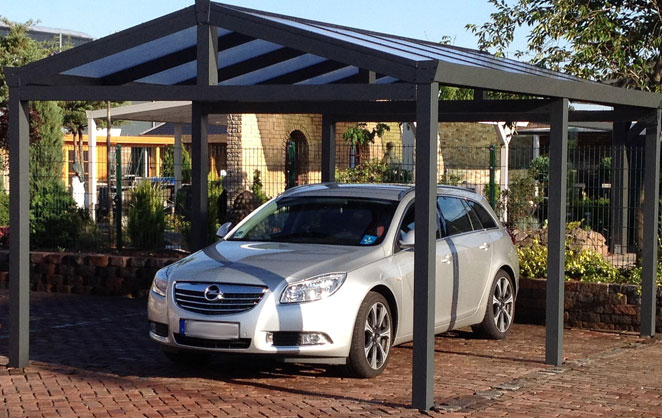
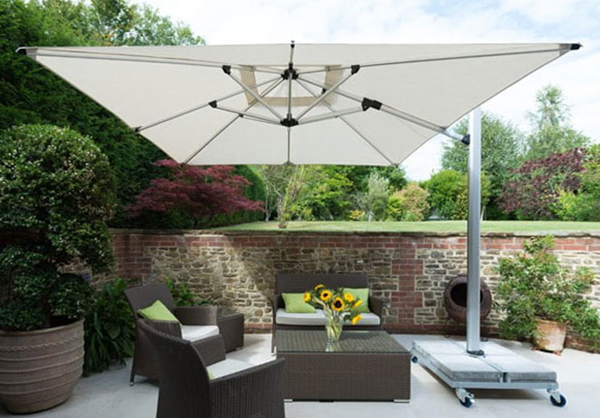
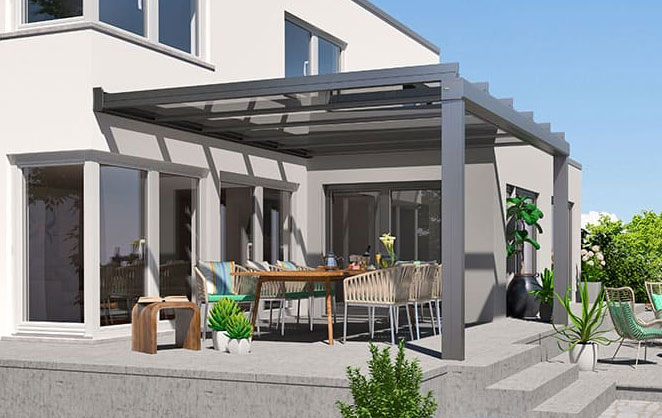
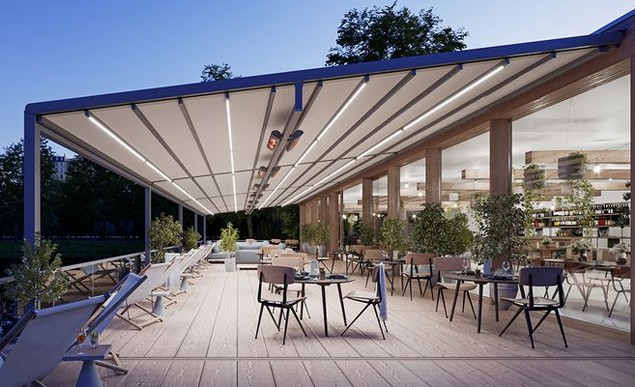
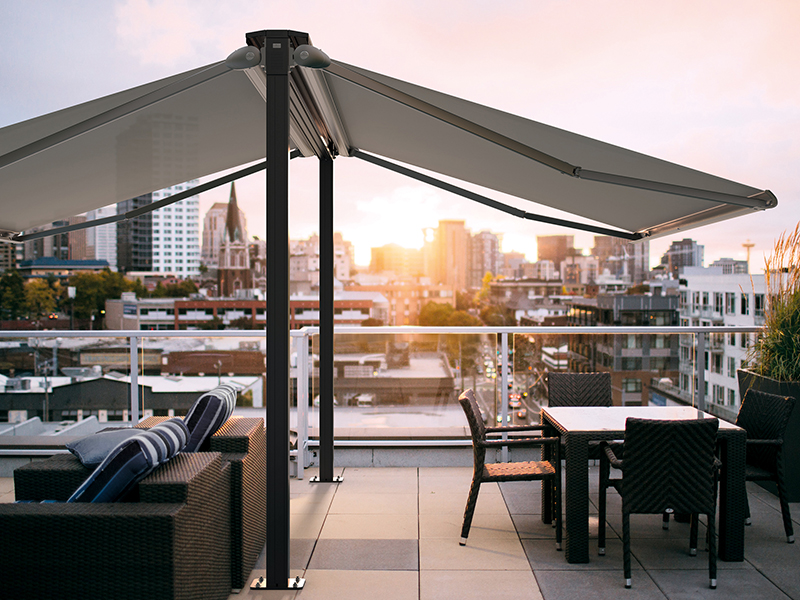
A freestanding structure can support an awning independently of the building, including where the seating area is some distance from a suitable wall (Samson freestanding awnings). Samson’s range includes frameworks for single or double retractable awning arrangements and support structures for retractable fabric pergolas (Samson freestanding awnings).
Think about how the furniture is arranged before deciding where posts should sit. Leave the discussion open enough to consider the route from the house, space around chairs and the view back towards the garden.
Some systems use fixed foundations, while others offer engineered ballast arrangements, depending on the model (Samson freestanding awnings). Ask for the support and ground requirements to be included in the proposal; “freestanding” should not be taken to mean that the ground conditions can be ignored.
Sun shade and regular rain shelter are different requirements, and fabric, pitch and weather limits vary between awning and pergola models (Samson awning guide). Moving an awning onto a freestanding frame does not remove the need to follow the selected product’s operating limits (Samson awning guide).
Be specific about your priorities:
Shelter in changeable weather: Ask which product type is suitable, rather than assuming all retractable covers offer the same protection.
Relaxed afternoon shade: Identify the seating position and the times you use it.
A more flexible outdoor area: Discuss how far you want the fabric to retract and how the space will look when open.
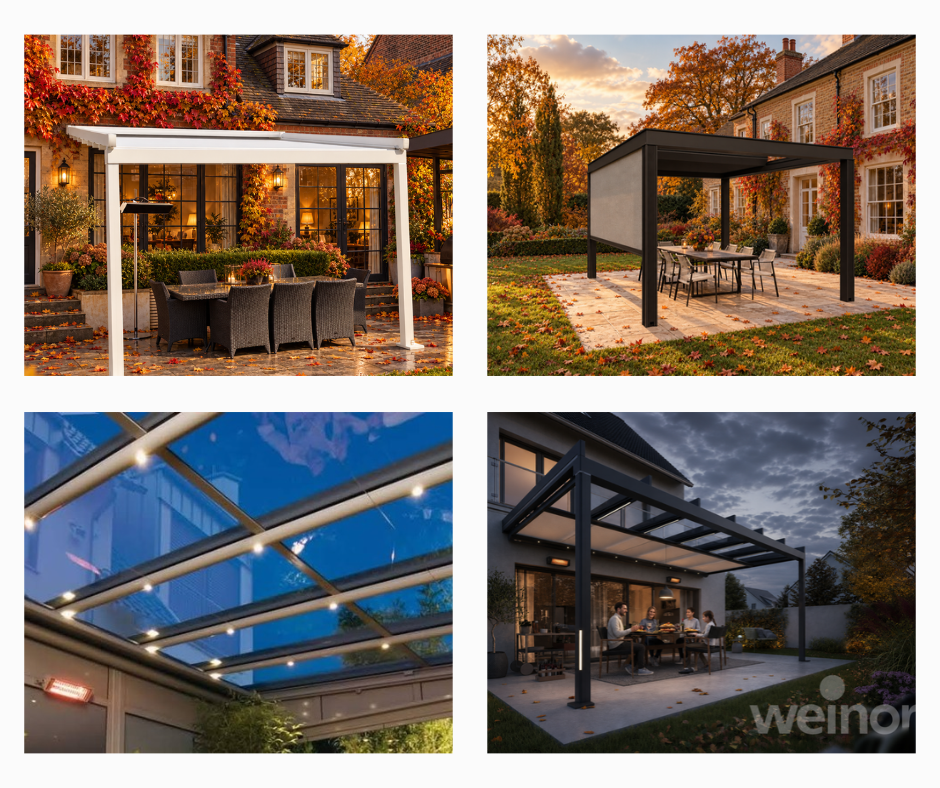
Plan the support as carefully as the fabric
Samson offers made to measure outdoor systems with specification, supply and installation support (Samson Outdoor Living). If you have dismissed an awning because of the wall or roofline, send the team photographs of the patio and building, approximate dimensions and a note of where you want the shade.
Explore Samson’s freestanding awning options and ask for advice on your setting. An awkward fixing position is a reason for a better conversation about the design, not necessarily the end of the idea.