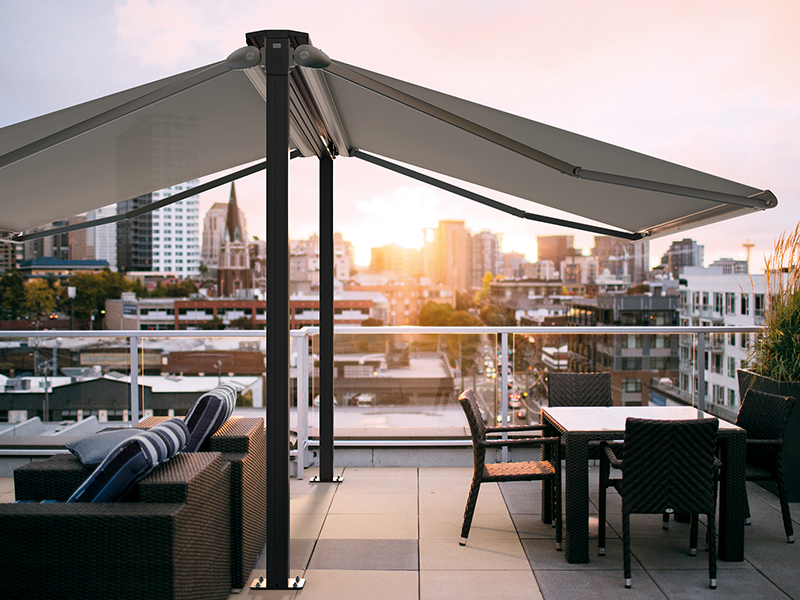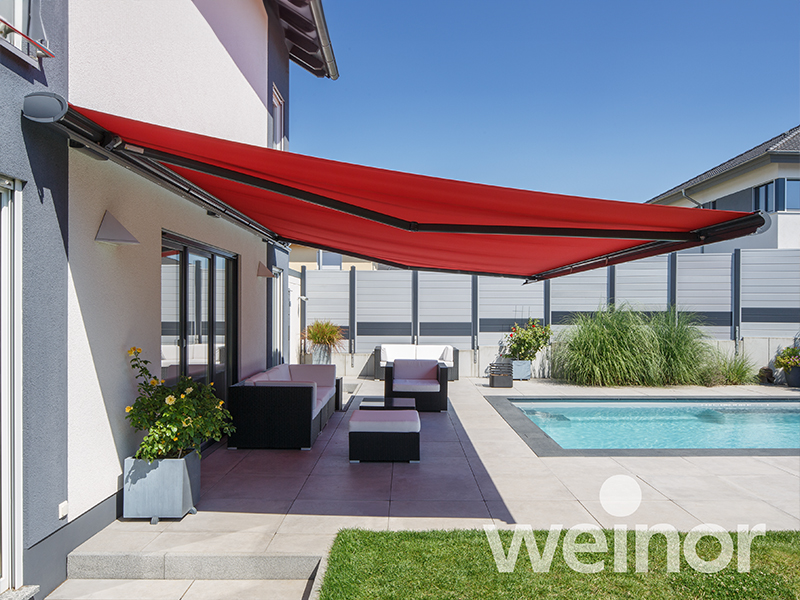
Inspiration
We Have A Number Of Sources Of Solutions Thant Should Prove Inspirational For You.
Inspiration
We Have A Number Of Sources Of Solutions Thant Should Prove Inspirational For You.
High quality standard and bespoke outdoor living products designed to create additional beautiful outdoor space protected from the often great, but extremely variable British weather.
By Product Type
Get In Touch
With Us Today
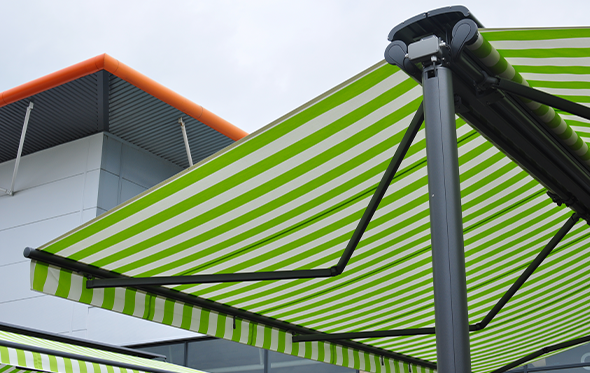
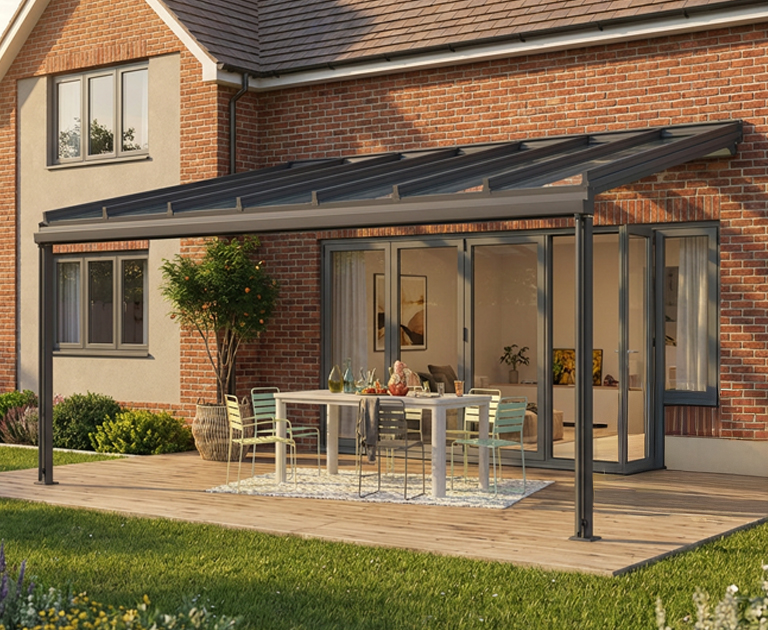
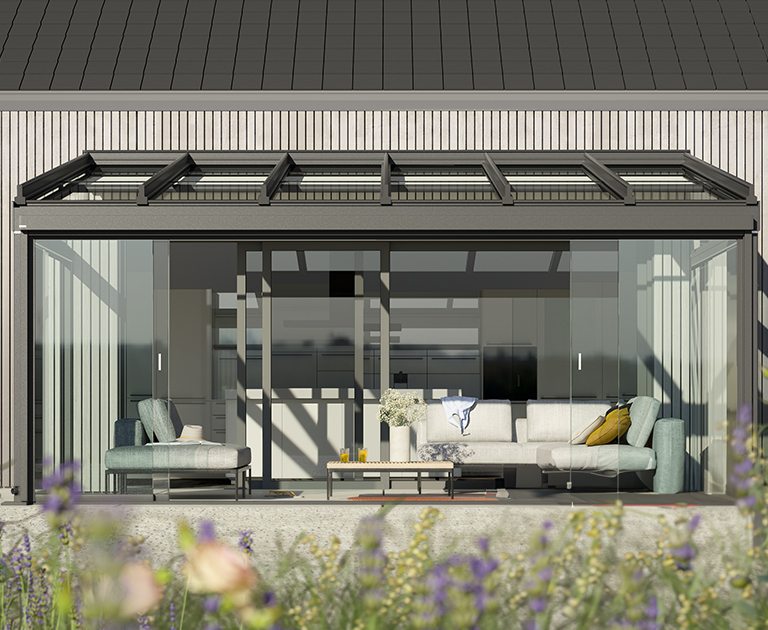
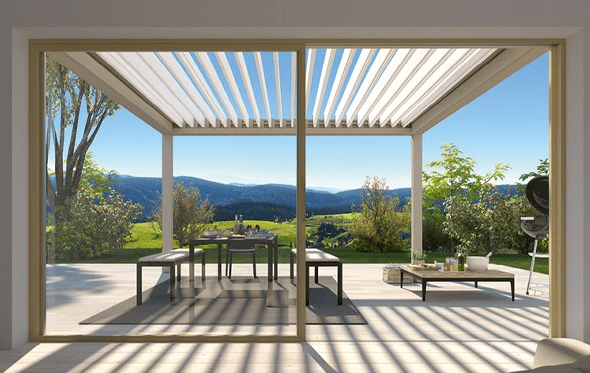
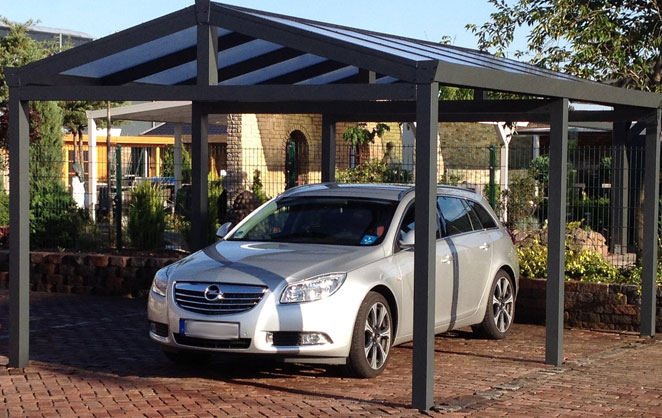
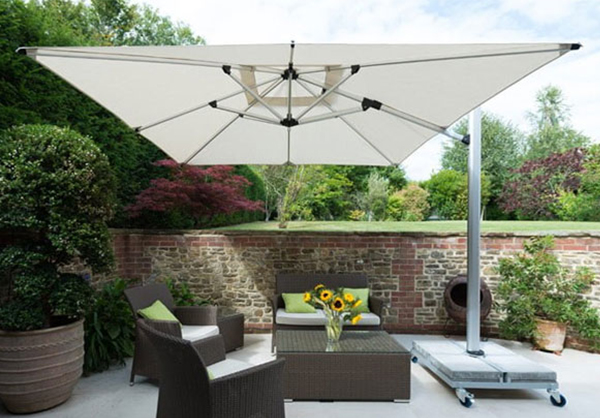
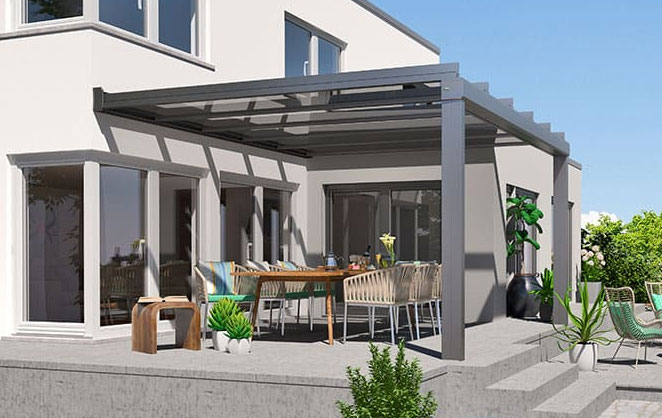
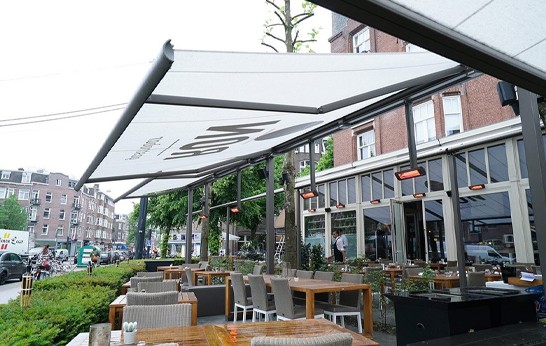
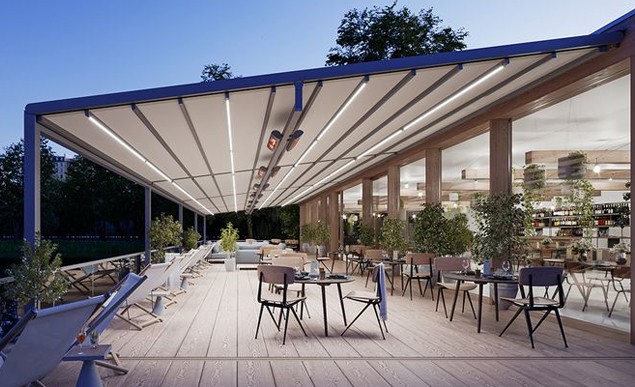
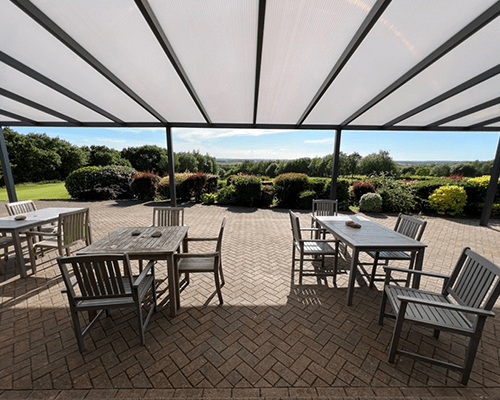
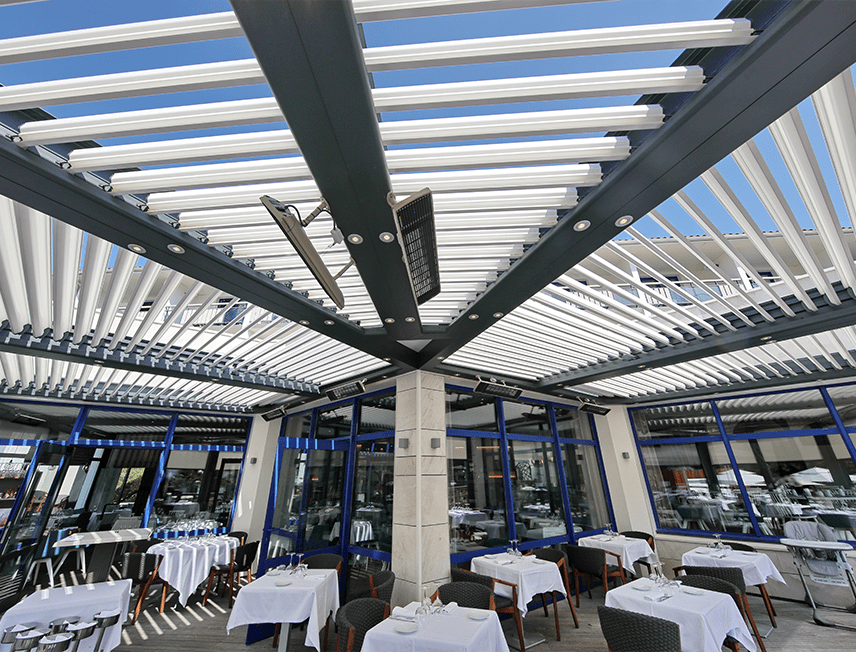
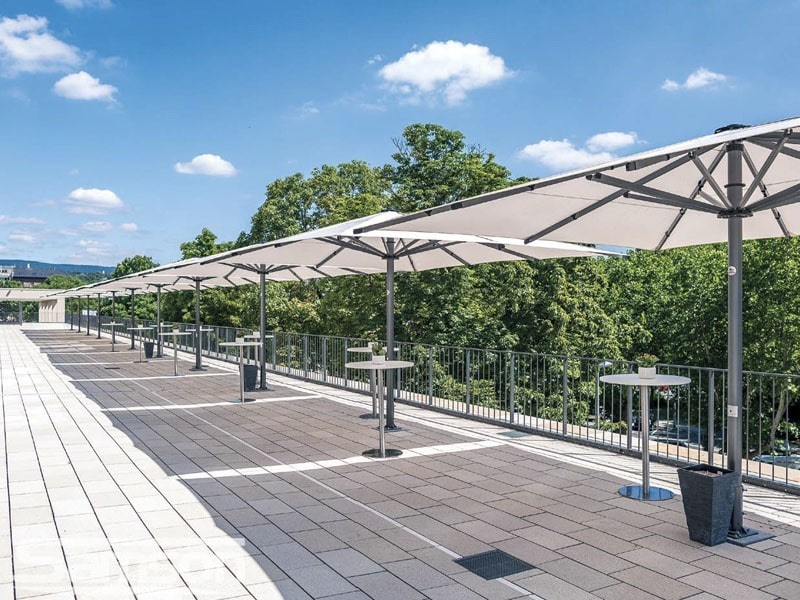
Samson Awnings offer a vast range of fixed or Retractable Awnings, commercial Retractable Canopies, Glassrooms, Parasols, External Vertical Blinds and Freestanding Structures to protect from the UK weather and extend the use of your outdoor space all year round.
By Product Type
Get In Touch
With Us Today
Summer 2026 has provisionally been confirmed as the UK’s hottest on record, with a mean temperature of 16.5°C across June, July and August, the warmest summer in records dating back to 1884. It was also the first UK summer in which every month recorded temperatures above 35°C.
For many homeowners and businesses, the issue was not simply enjoying the sunshine.
Large patio doors, bifold glass doors, roof glazing and wide windows will admit substantial solar heat and glare, making rooms uncomfortable just when they should be most enjoyable.
Autumn and Winter is an ideal time to plan professionally specified external shading, ready for the next period of hot weather. Lower prices can be obtained and many special offers from manufacturers are usually available too, before the usual price increases in early spring, around February.
Stop heat before the glass
External shading works differently from internal curtains and blinds. It is positioned outside the glazing, intercepting sunlight before it passes through the glass and adds to the heat inside.
Recent testing at Loughborough University’s matched full size test houses found that external shading could reduce indoor temperatures by more than 6°C in certain conditions. The findings underline the role of external shading as a practical passive cooling measure, although real world performance will vary according to the building, glass area, orientation, product design and how it is used.
This does not mean that one awning is suitable for every window or door. The most effective solution depends on where the sun reaches the property, the amount of glazing, the required projection or drop, wind exposure and whether the priority is shade, glare control, privacy or all three.
Why plan in autumn?
Planning external shading after summer provides the benefit of direct experience: homeowners can identify which rooms overheated, when glare was at its worst, and which doors or windows became uncomfortable to use.
It also allows time for proper product selection, survey, manufacture and professional installation before spring and summer demand returns. Rather than making a rushed choice during a heatwave, a survey can establish the right system for the size and position of the glazing.
For commercial sites, autumn is also the sensible period to review how customer-facing spaces performed during summer. Cafés, restaurants, offices, schools, care settings, retail premises and hospitality venues may all benefit from reducing glare and solar gain around large areas of glass.
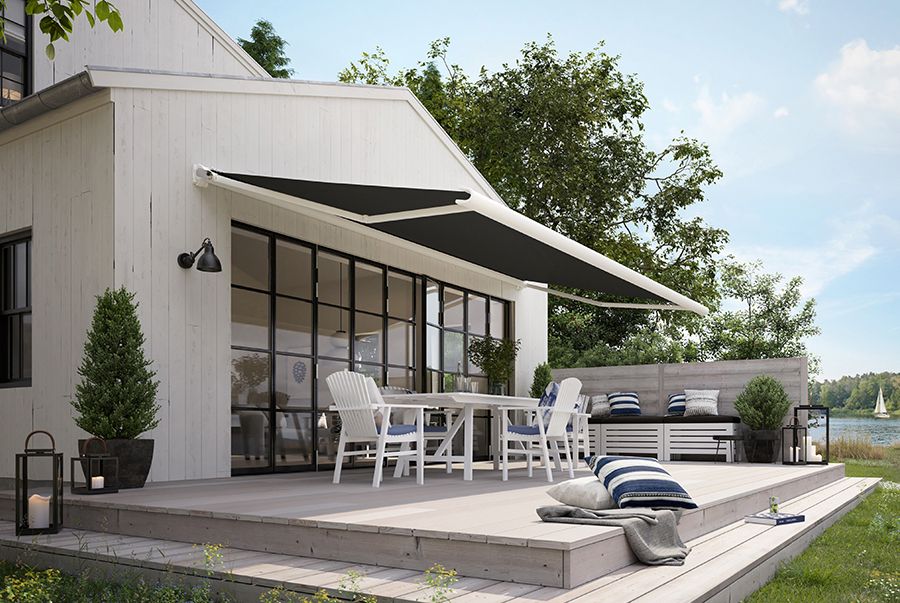
Folding arm awnings for doors
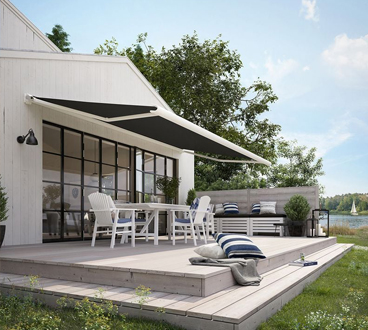
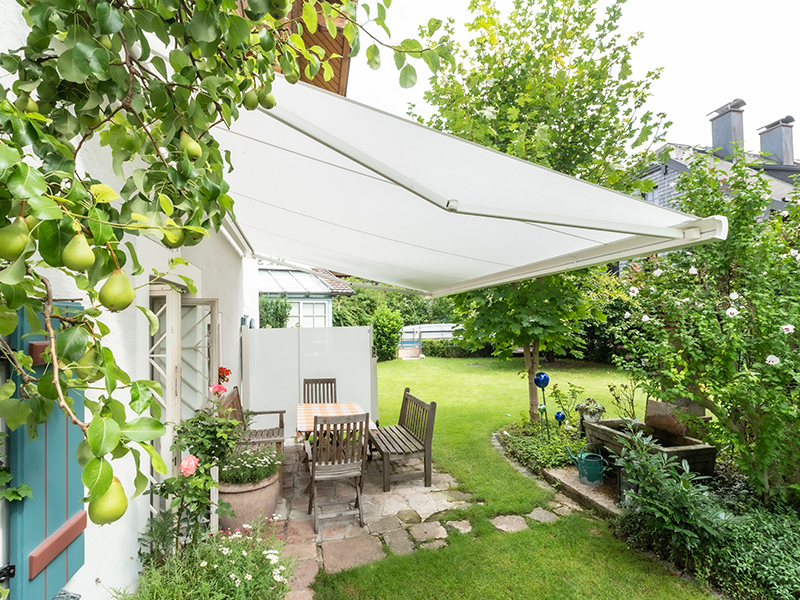
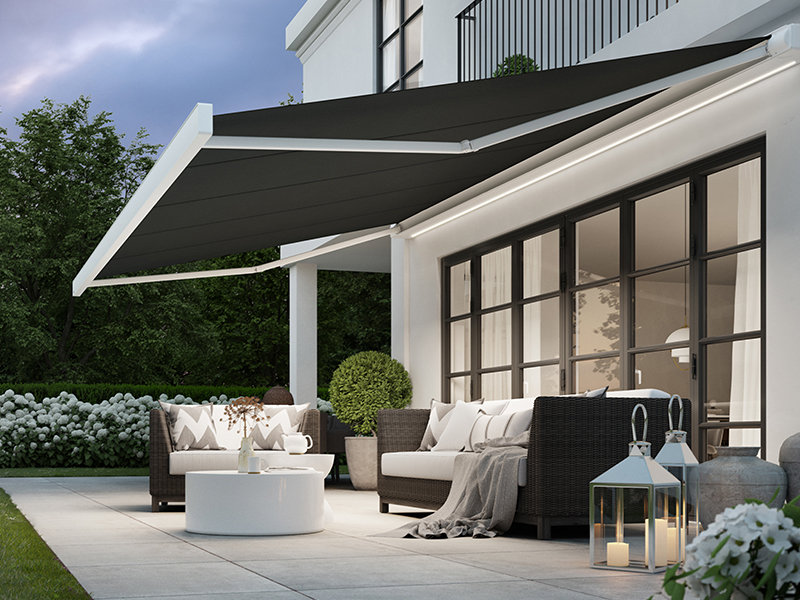
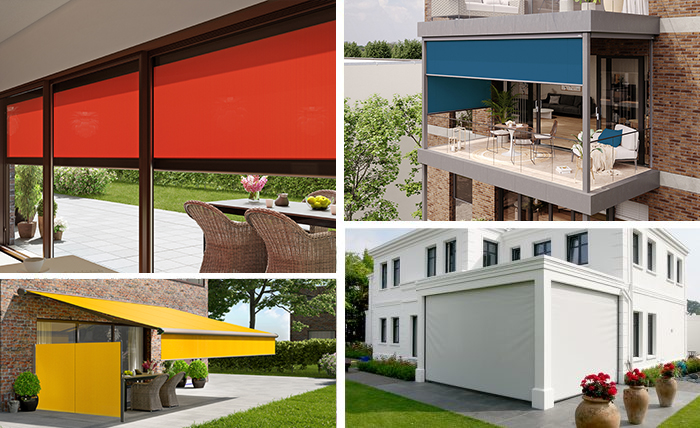
Retractable folding arm awnings are often the natural choice above patio doors, French doors, bifolds and sliding doors. When extended, they create broad horizontal shade over the glass and the immediate terrace area; when the sun has moved or the weather changes, they retract neatly back towards the building.
A made-to-measure folding-arm awning can be specified for the available wall width and the required projection. This is important: a wide area of bifold doors may need a generous projection to create meaningful shade when the sun is high, while west-facing doors may need consideration of lower late-afternoon sun and glare.
They are particularly well suited to:
– Bifold and sliding patio doors opening onto a terrace.
– South- and west-facing glazed extensions.
– Kitchen-diners with large areas of rear glazing.
– Balconies and smaller patios where a permanent roof is not required.
– Restaurant, café and pub terraces where flexible overhead shade is needed.
Folding arm awnings are primarily solar shading products. They should be retracted in unsuitable wind conditions and should not be treated as storm protection. Automation such as wind sensing and sun control can help the awning respond appropriately, but a product should always be selected and operated in line with its specific technical guidance.
Click HERE for further information >
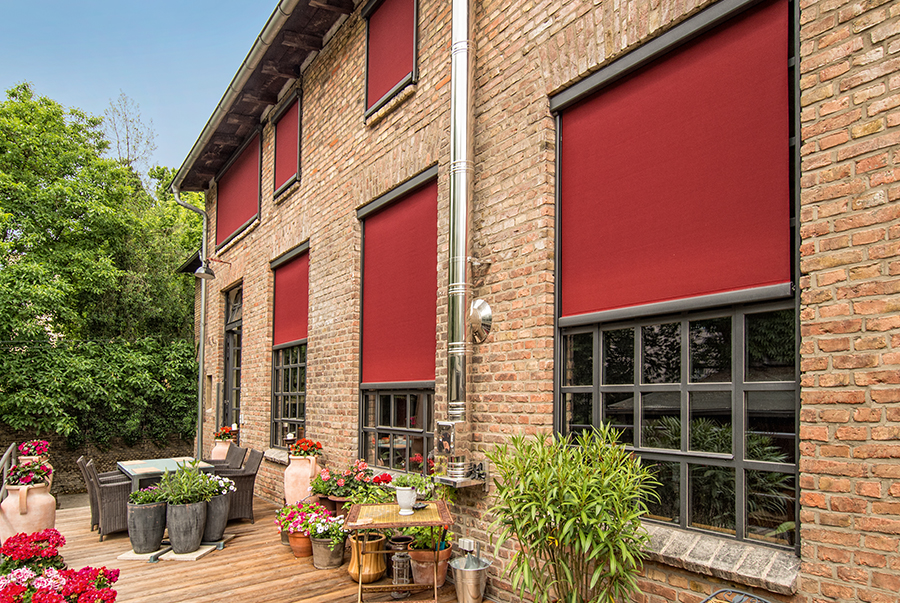
External vertical blinds for glazing
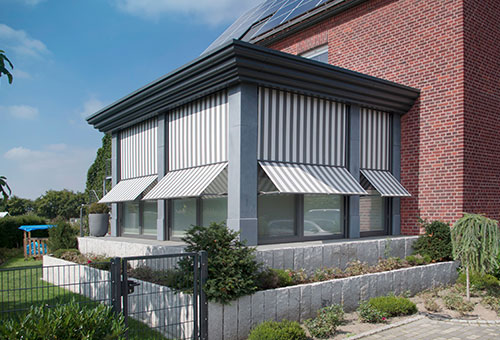
External vertical blinds, commonly known as external screens, zip screens or façade blinds depending on the system are designed to shade the face of a window, glazed wall or door opening. They are particularly effective where the problem is low angle sun, glare or privacy rather than creating a covered terrace. In Europe these are growing in popularity over most other external shading products and we are not waking up yet in the UK to the overall benefits.
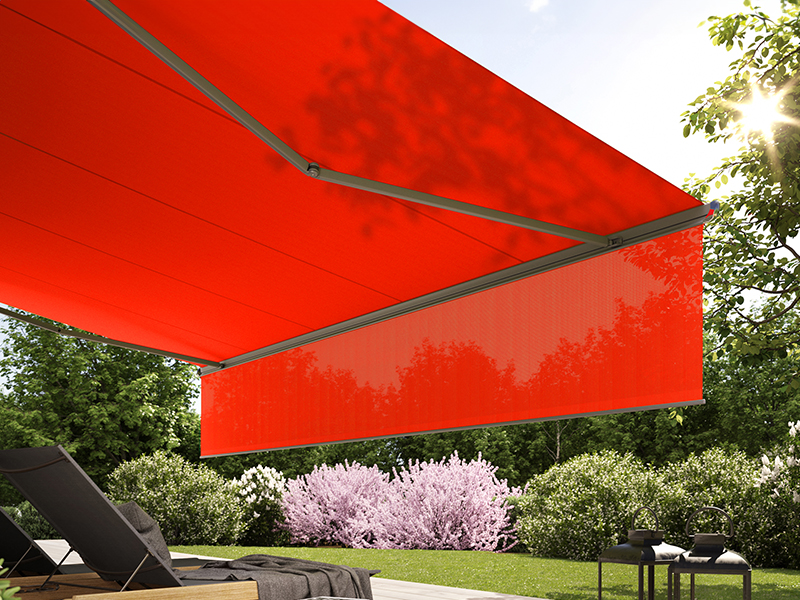
A vertical external blind can be lowered in front of wide doors and windows to filter sunlight before it reaches the glass. Depending on the fabric selected, it can retain a degree of daylight and outward view while reducing glare and solar gain.
They are an excellent option for:
– West facing doors affected by late afternoon and evening sun.
– East facing bedrooms, offices and kitchens exposed to early sun.
– Floor to ceiling windows and large glazed elevations.
– Home offices where screen glare affects work and video calls.
– Commercial façades, shopfronts, offices, schools and care settings.
– Properties needing daytime privacy without closing heavy internal curtains.
The fabric openness, colour and guide system matter. A more open screen fabric can preserve a clearer view out; a denser fabric offers stronger glare and privacy control. A professional survey should also consider fixing positions, wind exposure, the dimensions of the opening and whether the screen is intended mainly for solar control, privacy or both.
Click HERE for further information >
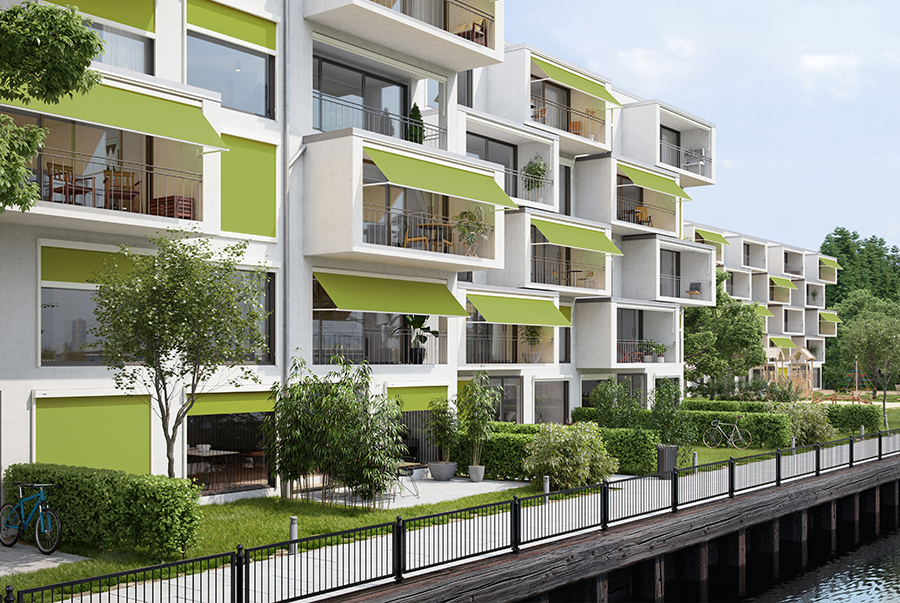
Drop Arm awnings for windows
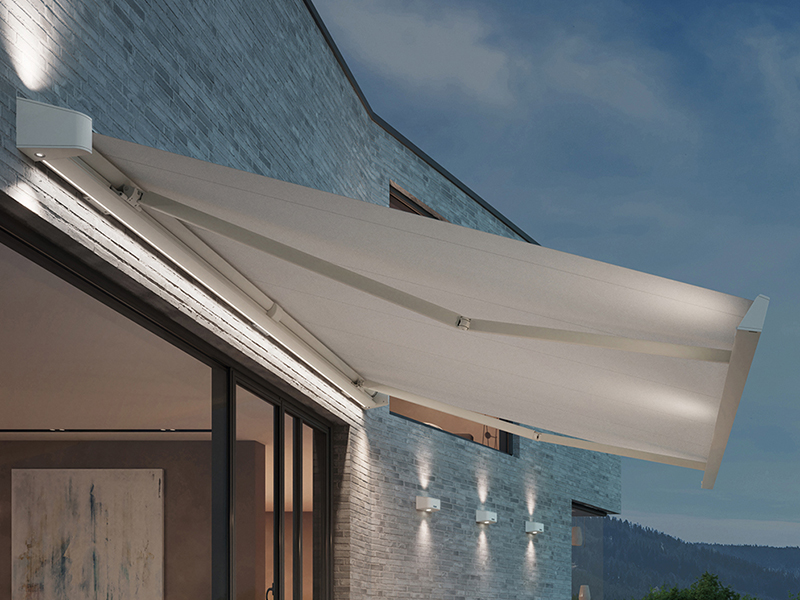
Drop arm awnings offer another very valuable form of external window shading. Rather than projecting horizontally over a terrace, they are mounted above a window and extend downwards at an angle to shade the glass while allowing air movement and daylight beneath the awning.
They are particularly suited to upper floor windows, bay windows, offices, bedrooms, conservatories and façades where a conventional patio awning would not be appropriate. Their angled position can be especially useful when the sun is lower in the sky, such as morning or late afternoon.
Click HERE for further information >
Typical applications include:
– South, east and west facing windows.
– Bedrooms that become uncomfortable in early morning or late day sun.
– Home offices and commercial workspaces.
– Shopfronts and customer facing windows.
– Schools, care homes and public buildings with repetitive window elevations.
– Homes where external shading is wanted without covering the patio.
Drop arm awnings can also enhance the appearance of a property. With the right fabric and frame colour, they add a considered architectural feature while providing useful, adjustable shade across the glazing. They have a greater resistance to wind and rainfall because of their steep angle and the side arms holding the front profile steady.
Match the product to the problem
| Requirement | Most suitable starting point | Why |
| Shade across patio doors and terrace seating | Retractable folding arm awning | Creates broad horizontal cover over doors and outdoor living space |
| Reduce glare and solar gain through wide glazing | External vertical blind or zip screen | Shades the glass directly, including when the sun is low |
| Shade individual windows but retain ventilation and vision | Drop arm awning | Projects out from the window at an angle, allowing light and airflow beneath |
| Control late afternoon sun through west facing doors | External vertical blind, sometimes paired with a folding arm awning or a drop down valance system | Vertical shading deals more effectively with low angle sunlight |
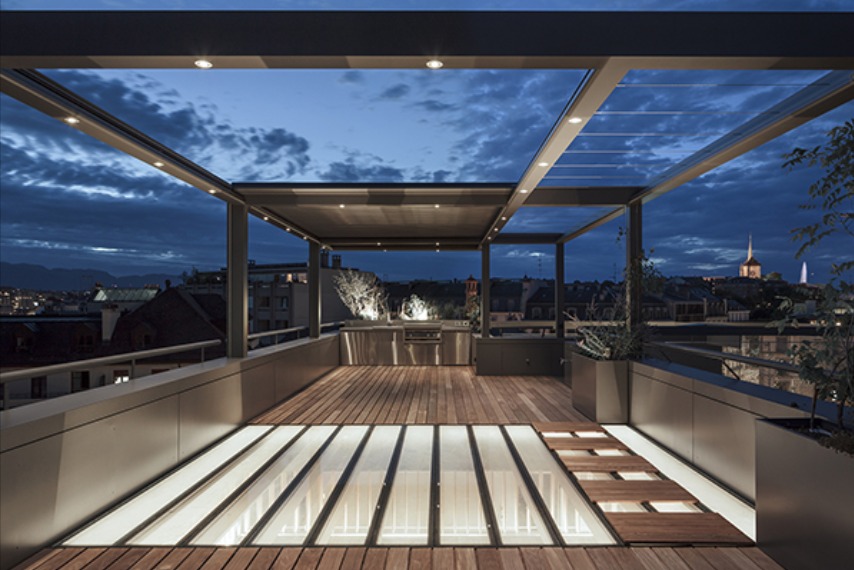
| Shade a large hospitality terrace | Commercial folding arm awning, supported pergola or bespoke system | Provides flexible cover, subject to site layout, wind exposure and permissions |
| Improve comfort in offices, schools or care settings | External vertical blinds or drop arm awnings | Provides façade level glare and solar control across windows |
A practical passive cooling measure
External shading should be part of a broader approach to managing hot weather. Window orientation, glazing, ventilation, insulation, night-time cooling, room use and landscaping can all influence comfort.
However, shading the outside of glazing is one of the most direct ways to reduce solar heat before it builds up indoors. The Met Office says the record breaking summer was made around 130 times more likely by human induced climate change, making heat resilience an increasingly relevant consideration for homes and commercial buildings alike.
Samson Awnings supplies and installs made to measure external shading for homes and commercial properties, including retractable folding arm awnings, external vertical blinds and drop arm awnings. A survey allows the correct system to be selected around the size of the glazing, sun path, required coverage, exposure and the appearance of the building.
Planning this autumn means your property can be better prepared for spring and summer 2027.