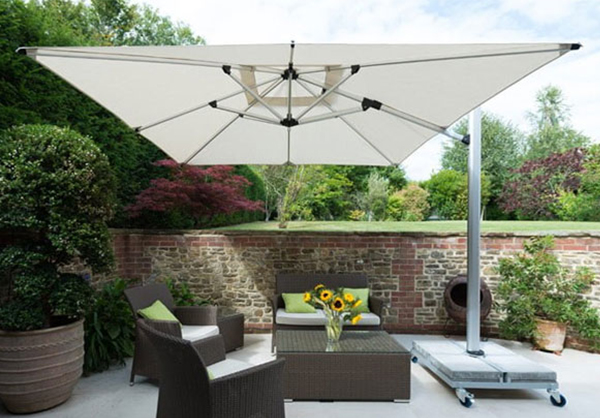
Generally a self supporting retractable awning wil stand up to wind speeds of around 20mph. Most higher specification awnings will have a tested and certified wind rating based on km/h or the Beaufort scale, but of course no one is ever really monitoring the wind speed in their back garden or patio to make a judgement on this…
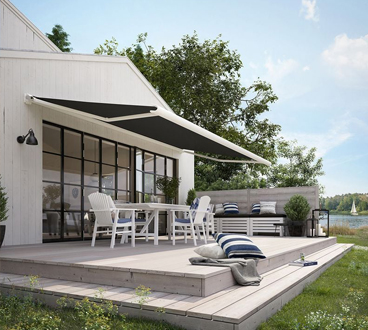
A self-supporting retractable awning will generally stand up to wind speeds of around 20mph. Higher specification models carry a tested and certified wind resistance rating (to EN 13561), usually expressed in km/h or on the Beaufort scale.
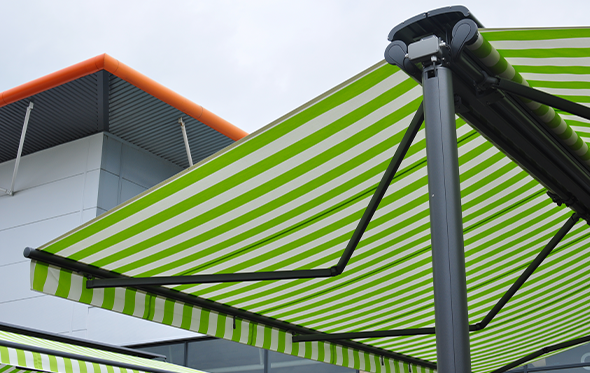
Most ‘torque bar’ folding arm awnings generally have a better overall resistance to wind, but it all depends on the actual overall size and position in most cases.
As a rule, an awning should be retracted in strong winds, usually stronger than you would be comfortable sitting outside anyway. Electric models can be fitted with a wind sensor that retracts the awning automatically when wind exceeds a set threshold.
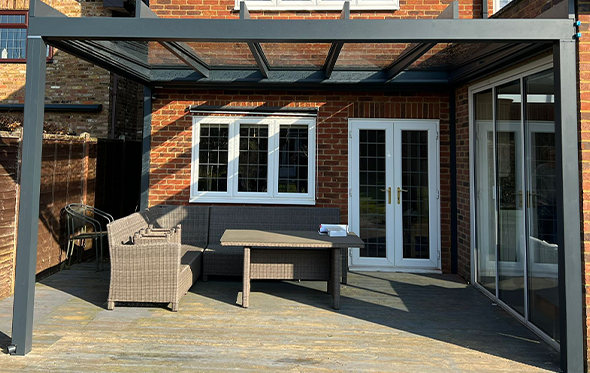
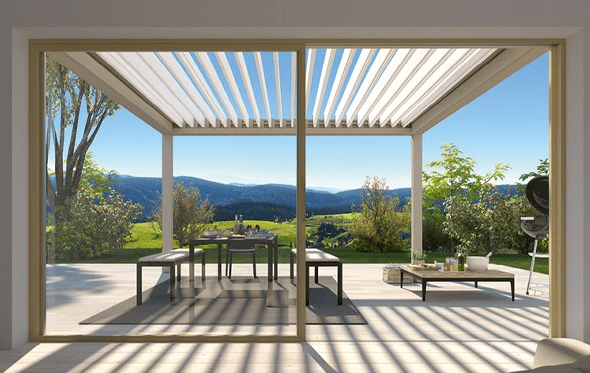
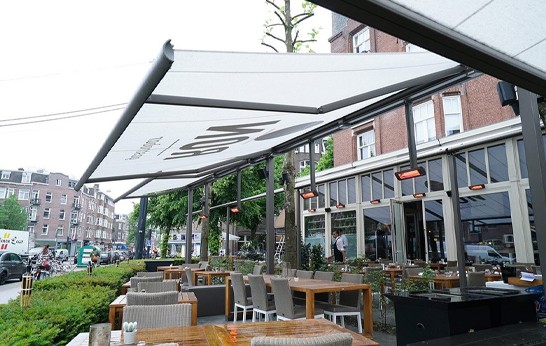
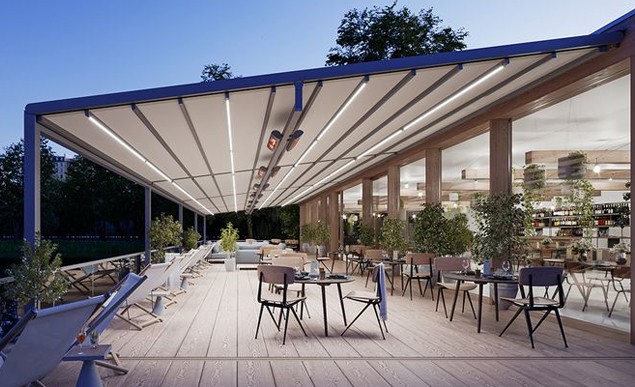
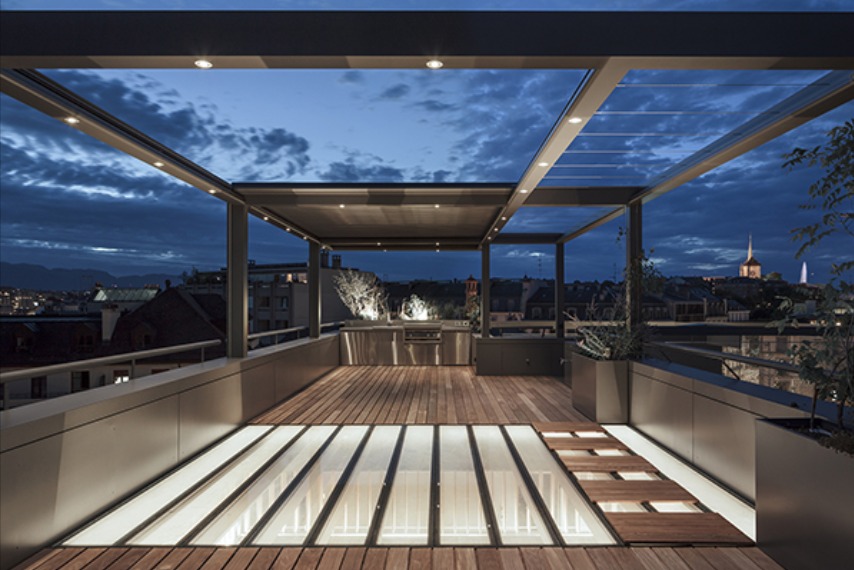
For higher wind speeds and areas where you know it is always windy you are better looking at retractable fabric pergolas which have higher wind speed ratings
The wind is probably a bigger enemy of the traditional retractable awning than anything else and although you may ask yourself why would you be sitting outside in the wind anyway, there is usually a prevailing wind in every garden or terrace area, particularly near the coast or on hill top locations. Having a system with an enhanced protection from at least one side will enable far more use in windier conditions so the demand for systems to use in strong winds are common requests now. Specify the main canopy cover properly in the first place and then you won’t worry when the all too regular stormy conditions arrive.
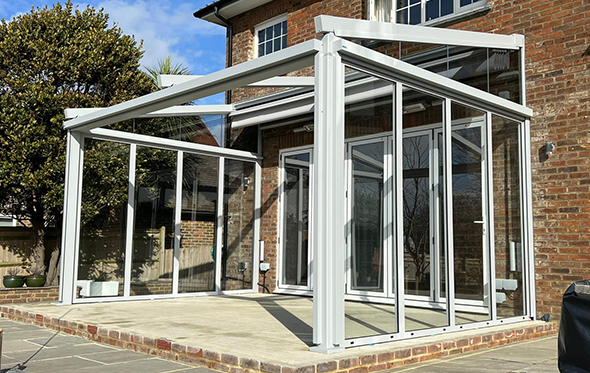
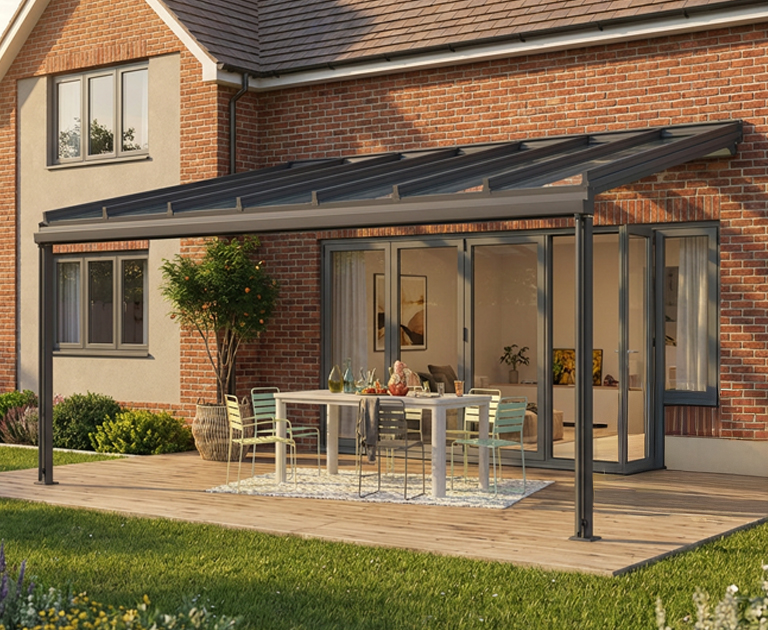
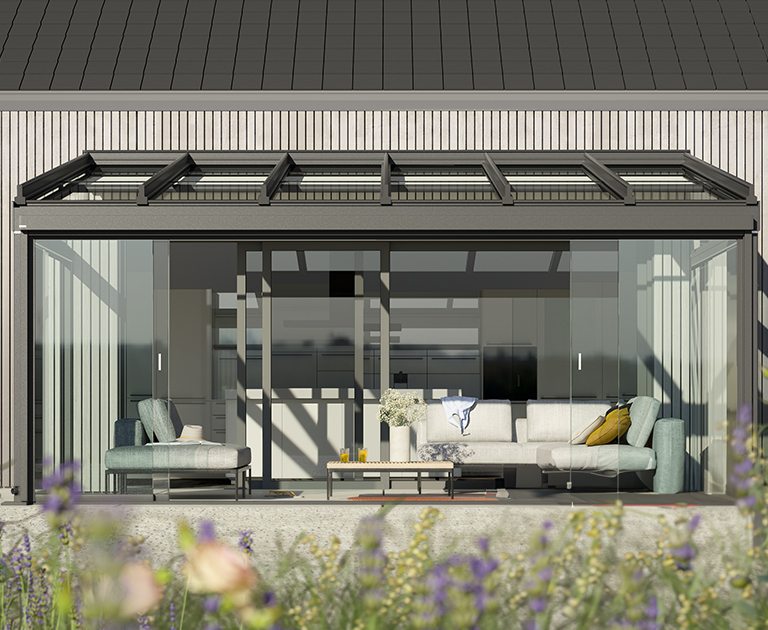
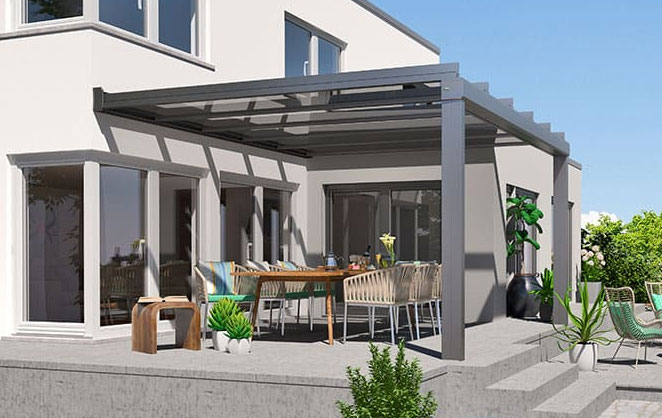
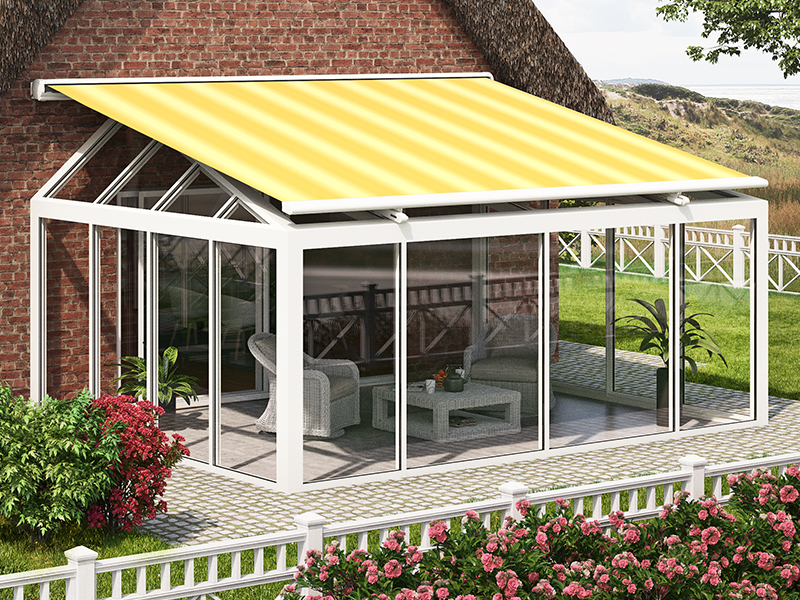
Of course, the ultimate system for all year round protection from rain, no problems in the wind and also offers a solution on the hottest days is the glass veranda with optional fabric blind system, either underneath or above the glass roof.
See our Glass Veranda page >