Inspiration
We Have A Number Of Sources Of Solutions Thant Should Prove Inspirational For You.
Inspiration
We Have A Number Of Sources Of Solutions Thant Should Prove Inspirational For You.
High quality standard and bespoke outdoor living products designed to create additional beautiful outdoor space protected from the often great, but extremely variable British weather.
By Product Type
Get In Touch
With Us Today
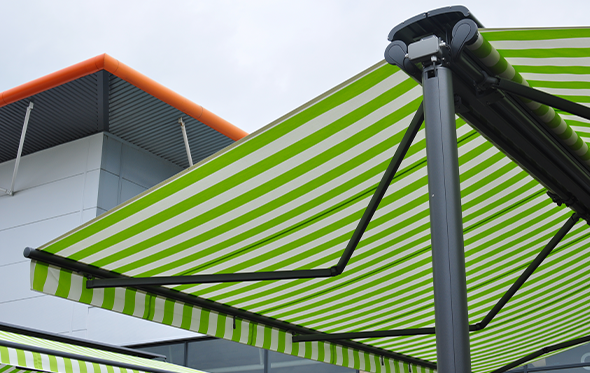
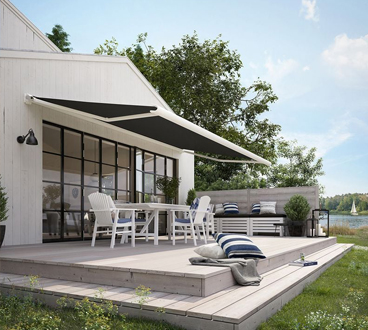
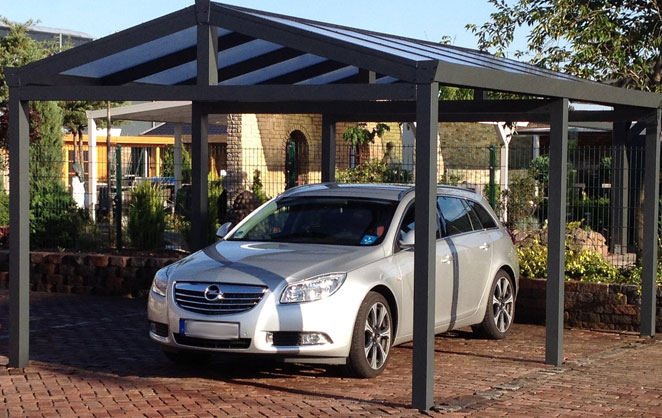
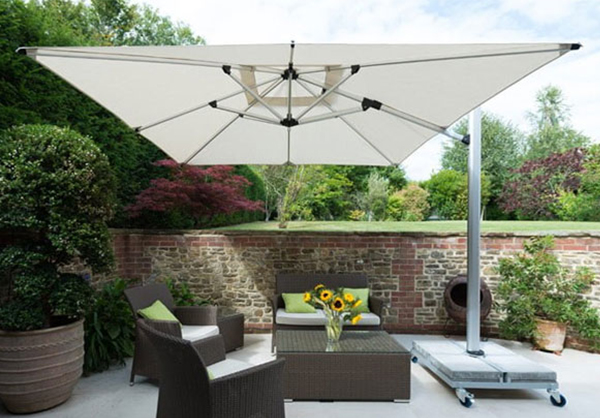
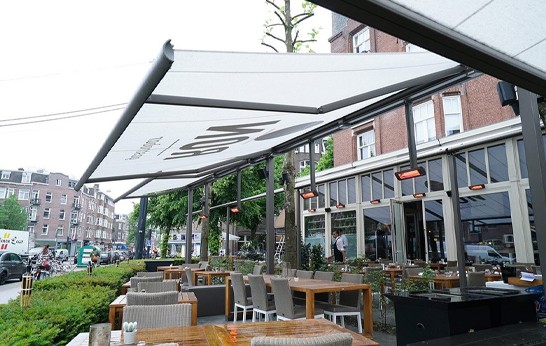
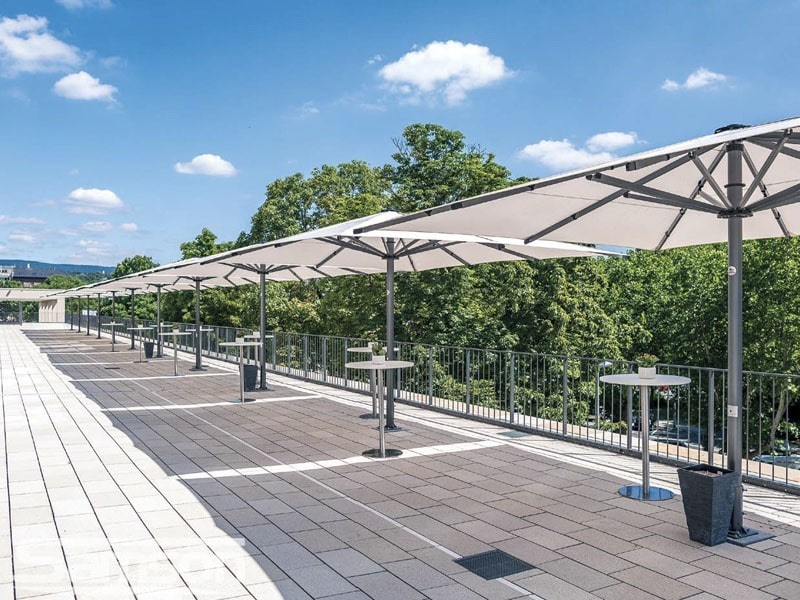
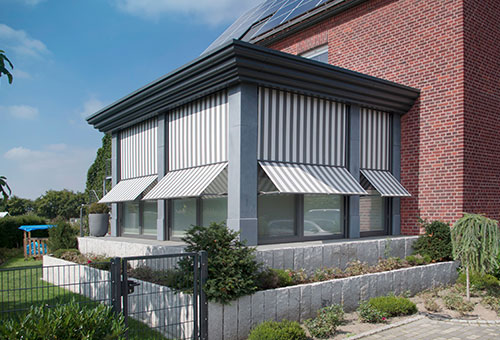
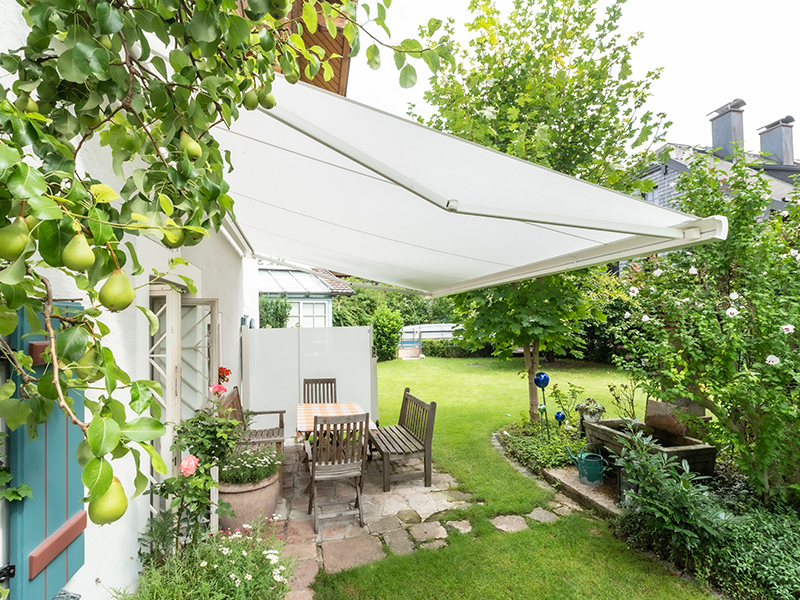
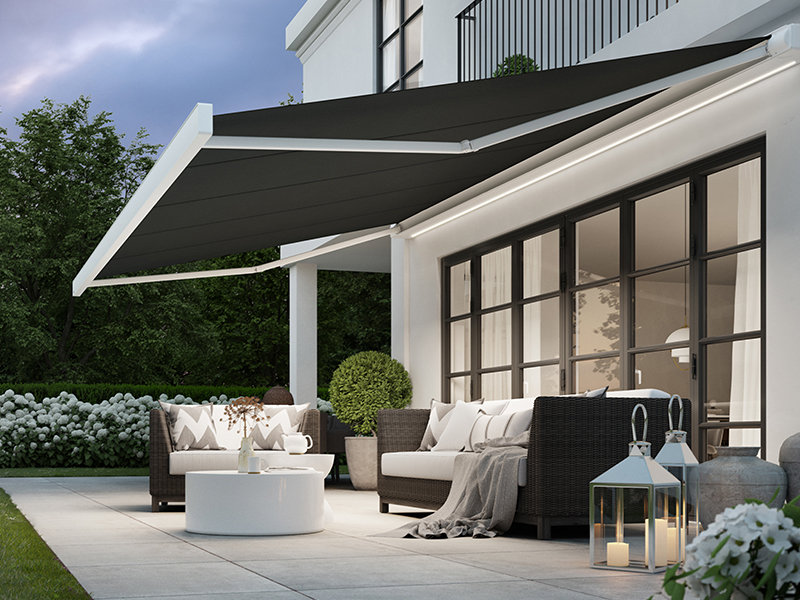
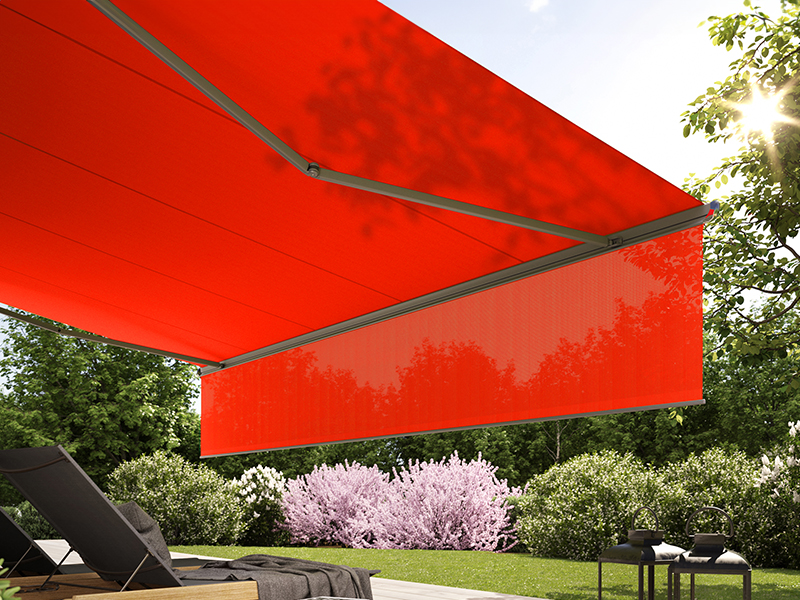
Samson Awnings offer a vast range of fixed or Retractable Awnings, commercial Retractable Canopies, Glassrooms, Parasols, External Vertical Blinds and Freestanding Structures to protect from the UK weather and extend the use of your outdoor space all year round.
By Product Type
Get In Touch
With Us Today
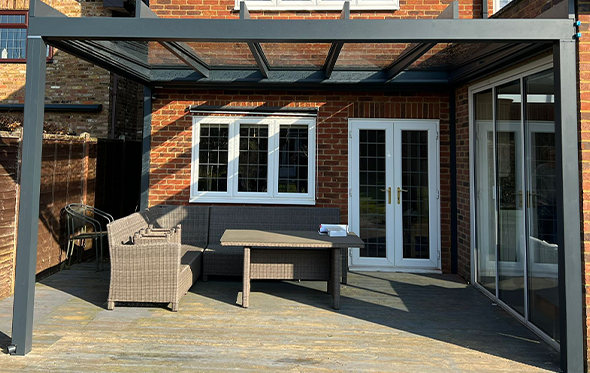
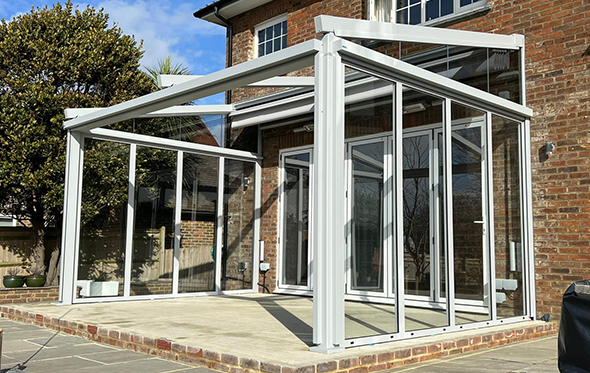
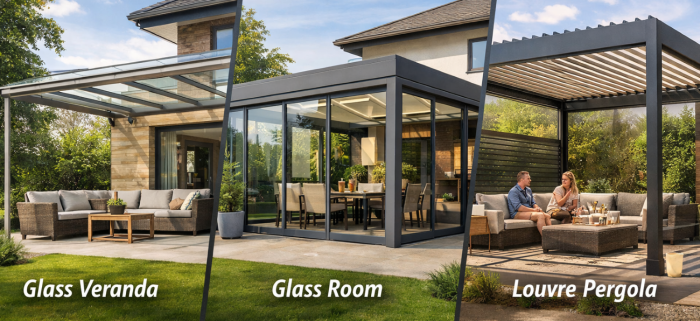
The main difference between a glass veranda, a glass room, and a louvre pergola is their level of enclosure, roof design and how they control light and weather.
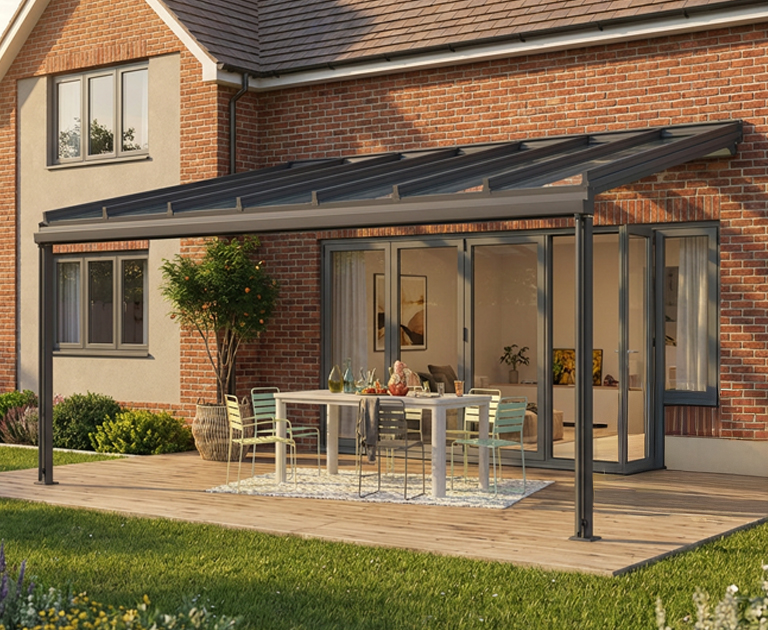
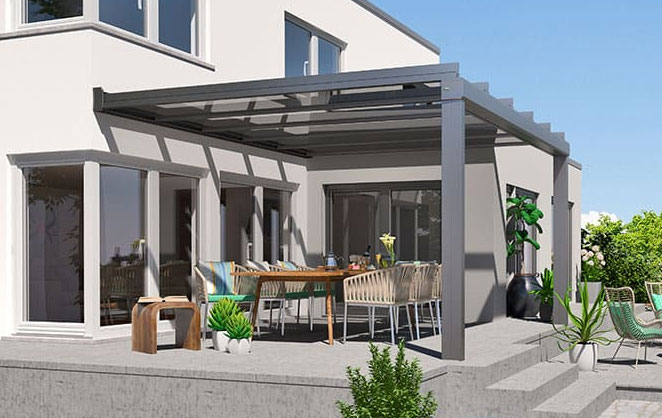
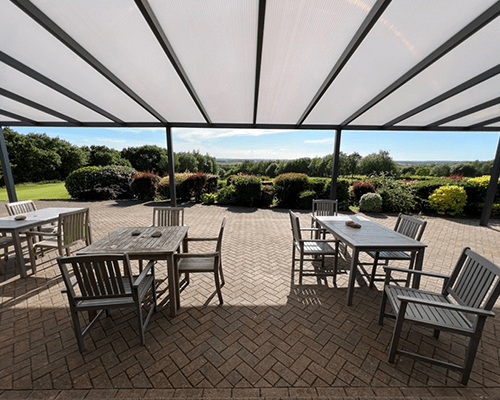
A glass veranda has a fixed glass roof with open sides, providing permanent overhead shelter while maintaining maximum natural light.
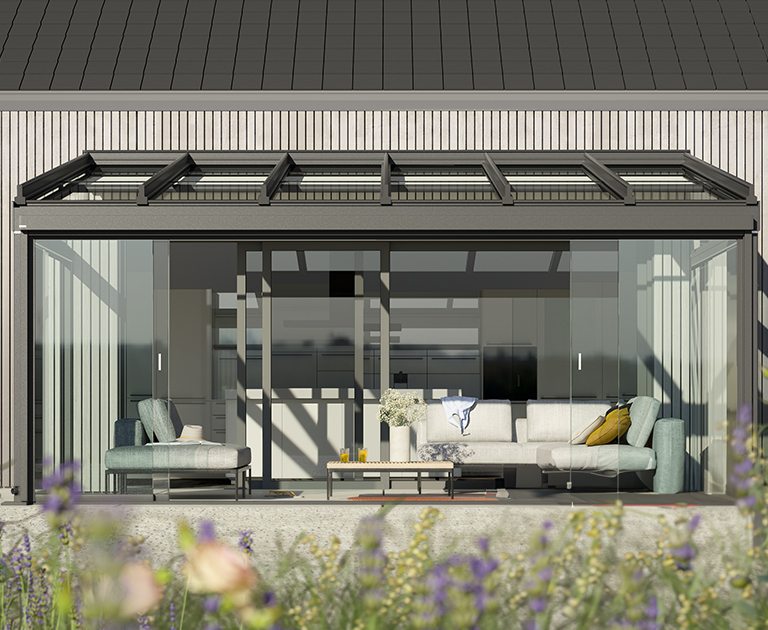
A glass room is fully enclosed with glazing, creating a 100% waterproof, year-round living space.
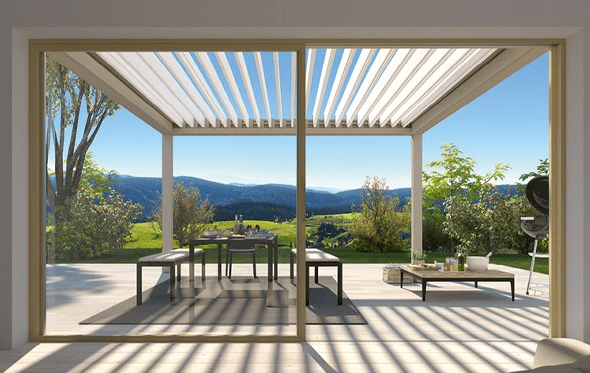
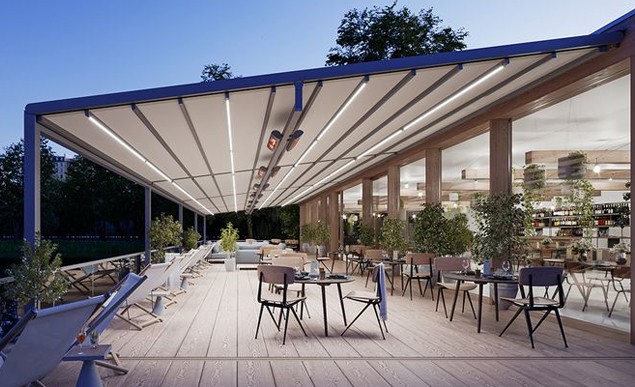
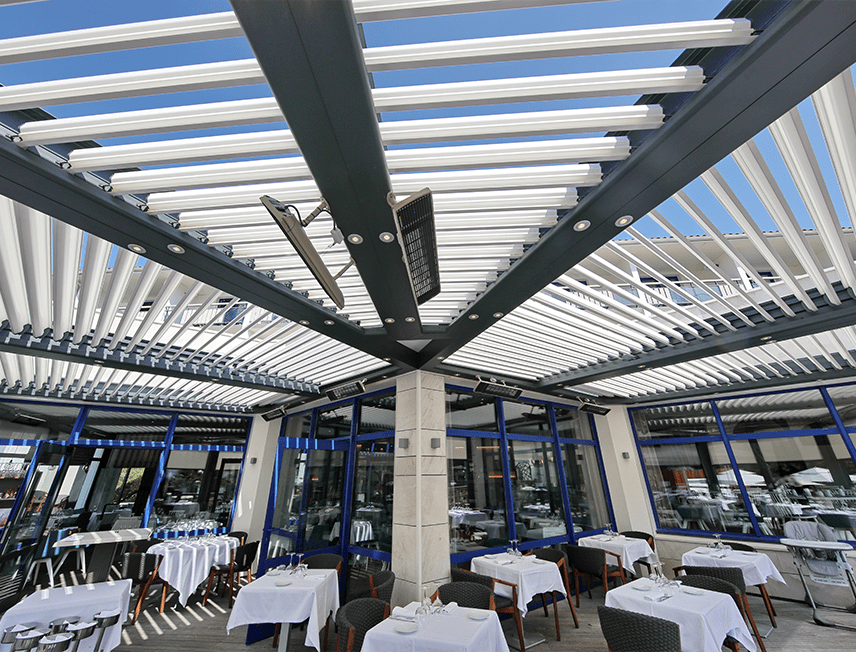
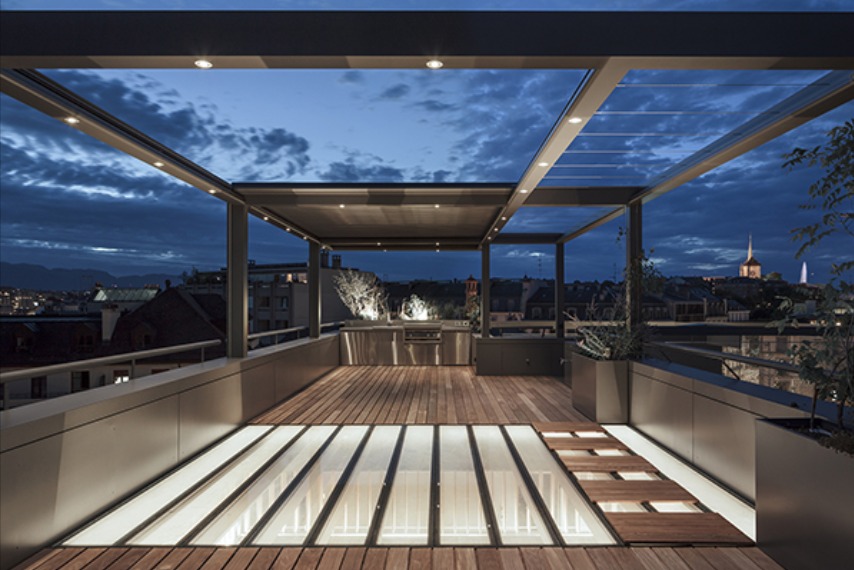
A louvre pergola uses adjustable rotating blades, allowing you to control sun, shade and ventilation, but with less consistent light transmission when closed.
A glass veranda is an open sided structure with a fixed glass roof that provides complete protection from overhead rain and snow. When paired with a retractable sun blind in the roof, it becomes a highly versatile space, allowing you to block intense summer heat while still enjoying permanent rain shelter. A glass room takes this a step further; by fully enclosing the space with glazing and utilizing a roof blind to manage solar heat gain and prevent the “greenhouse effect,” it creates a thermally comfortable, true year-round extension. In contrast, a louvre pergola features a motorised bladed roof that can be closed for rain protection or opened to release heat, offering flexible shelter that remains exposed to the wind unless side panels are added.
A glass veranda uses a clear or tinted glass roof that maximizes overhead daylight, ensuring adjacent interior rooms do not lose natural sunlight. The addition of a retractable sun blind gives complete control over this light transmission, you can deploy the blind for cooling shade on bright days or retract it entirely to flood the space with unhindered natural light during darker months. On the other hand, louvre pergolas make use of solid metal blades, which provide good shade as they completely block overhead light when they are closed, thereby making shade over the outdoor area and potentially limiting sunlight coming into the house.
Adding glass walls to a veranda transforms it into a glass room, maintaining maximum light transmission from all directions while providing full weather sealing. When side enclosures are added to a louvre pergola, homeowners can use glass sliding doors for lateral light or opaque zip screens for privacy. However, even with glass sides installed on a pergola, the solid louvred roof will still obstruct overhead sunlight whenever it is closed for rain protection, unlike a glass room where the roof blind can simply be retracted. The right fabric choice in the sun blind of course also lets natural light bleed through when in use, blocking out the suns glare but not the light.
| Feature | Glass Veranda | Glass Room | Louvre Pergola |
|---|---|---|---|
| Explore | View Glass Verandas → | View Glass Rooms → | View Louvre Pergolas → |
| Best for | Outdoor shelter, 100% waterproof with maximum natural light | A fully enclosed, 100% waterproof, year-round living space | Adjustable shade with flexible outdoor use |
| Roof Structure | Fixed glass | Fixed glass | Adjustable solid blades |
| Sun & Shade Control | Optional retractable roof blind | Optional retractable roof blind | Integrated adjustable blades |
| Enclosure Level | Open sides | Fully enclosed | Open or adjustable sides |
| Weather Protection | Overhead protection (all-season with blind) | Complete all-season protection | Flexible overhead protection |
| Light Transmission | Maximum daylight (adjustable with blind) | Maximum daylight (adjustable with blind) | Darker when closed |